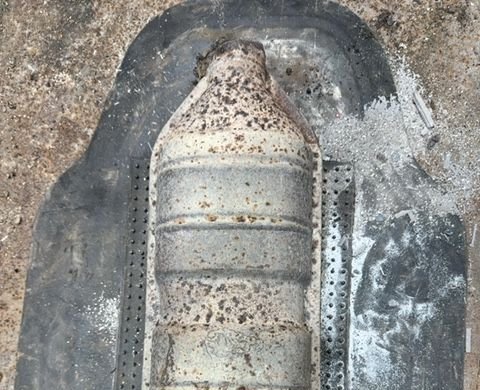
A blurry photo of a dirty pipe is costing you real money. If you've ever submitted a catalytic converter for a quote and gotten a lowball number — or no response at all — bad documentation is probably why. Buyers pricing catalytic converter prices today need to see the part clearly. They're looking at serial numbers, substrate condition, shell integrity, and signs of theft or tampering. Give them what they need, and competition drives your price up. Give them nothing, and they price for risk.
This guide is practical. We'll walk you through exactly how to photograph your converter — whether you've got one unit or a full pallet — so you walk away with an accurate quote and the best catalytic converter price the market will bear.
Why Your Photos Directly Affect the Price You're Quoted
Catalytic converter buyers are pricing platinum, palladium, and rhodium — precious metals they can't see until the unit is processed. What they can see is your photos. A clear serial number tells a buyer exactly which substrate they're buying. A photo showing a crushed or flooded core tells them the yield is going to be low. A shot of an intact, clean OEM converter from a known vehicle tells them the opposite.
Buyers discount for uncertainty. That's not negotiable — it's how the market works. When you submit vague photos, you're asking someone to bid on something they can't evaluate. The honest ones bid low. The dishonest ones bid high and adjust when the unit arrives. Neither outcome works in your favor. Clear, complete documentation removes that uncertainty and lets buyers compete on the actual value of your converter, not their worst-case assumption.
Platforms like SMASH are built around this principle. On a scrap metal auction platform where multiple vetted buyers compete on your lot, the quality of your documentation directly affects how many buyers engage — and how aggressively they bid.
The Right Shots: A Practical Photo Checklist
You don't need a professional camera. A modern smartphone in decent lighting will do the job. What matters is consistency and completeness. Here's exactly what to capture:
- Serial number or part number (close-up): This is the most important shot. Get close enough that the number is readable without zooming in. If it's stamped on the shell, wipe the area clean first. If it's on a label or tag, make sure it's flat and fully visible. Buyers use this to cross-reference catalytic converter price lists by number in their own databases.
- Full-length side profile: Show the entire unit — inlet to outlet — in a single frame. This lets buyers assess overall condition, size, and shell type.
- Both ends (inlet and outlet openings): Photograph the substrate through each opening. Buyers want to see whether the honeycomb is intact, damaged, or missing entirely. A flooded or mechanically destroyed substrate is worth significantly less than a clean one.
- Top-down or angled overhead shot: Good for lots with multiple units. Lay them flat on a clean surface and shoot from above. Include something for scale if you have a large haul.
- Stamped shell markings if visible: Some OEM converters have manufacturer marks, date codes, or vehicle application info stamped into the body. Capture these if present.
- Any damage, cuts, or defects: Don't hide damage — photograph it. A buyer who discovers an issue at processing will charge back against you. Get ahead of it. Honest documentation builds trust and long-term buyer relationships.
If you're selling a larger lot out of a Riverside yard or auto shop, batch your photos by converter type where possible. Group OEM units together, aftermarket units together, and any high-value cats — like those from diesel trucks or luxury European vehicles — separately. Organized lots get better engagement from buyers.
Lighting, Background, and Setup: Don't Skip This Part
Good lighting is not optional. Catalytic converter pricing depends on details that disappear in shadow or glare. Here's a simple setup that works:
- Natural outdoor light: Overcast days are ideal — no harsh shadows. Direct sunlight can create glare on metal surfaces that washes out serial numbers.
- Plain background: A piece of plywood, a concrete floor, or a sheet of cardboard all work. Avoid busy backgrounds that make it hard to separate the unit from the surroundings.
- Clean the unit first: A quick wipe-down with a rag removes grease and grime that obscures stampings and numbers. You don't need it spotless — just legible.
- Hold the camera steady: Blurry photos are useless. Tap to focus on the serial number before shooting. If your hands shake, rest the phone on a surface or use a small tripod.
- Multiple angles per unit: For a single converter, 4-6 photos is a reasonable minimum. For a lot, you can shoot in organized batches, but make sure every unit's serial number appears clearly in at least one photo.
In Southern California — including Riverside and the surrounding Inland Empire — outdoor light is rarely the limiting factor. Most days give you workable natural light from mid-morning onward. Take advantage of it. A five-minute setup outside beats a dim shop photo every time.
How SMASH Uses Your Documentation to Drive Better Bids
Once your photos are ready, how you submit them matters. Dropping a single image into a text message to one buyer is the old way. One buyer, no competition, no leverage. You're negotiating against yourself.
When you submit a properly documented lot to a scrap metal auction platform like North America's B2B scrap metal auction platform, your photos reach multiple vetted buyers simultaneously. Those buyers are competing — not colluding. When your serial numbers are readable and your substrate condition is clear, buyers can price accurately. Accurate pricing leads to aggressive bidding. Aggressive bidding leads to better outcomes for sellers.
SMASH supports detailed inventory documentation including photo uploads, serial tracking, and lot organization. That infrastructure exists because it works. Buyers trust documented lots. Sellers who document consistently see better engagement over time. If you're a yard or auto shop in Riverside or anywhere else in California selling converters regularly, building a documentation habit pays off — not just once, but every time you run a lot.
There are no subscription fees on SMASH. The platform only works when sellers do. That alignment matters. To get the best catalytic converter price today, you need buyers competing on accurate information — and that starts with your photos.
Common Mistakes That Kill Your Quote Before It Starts
Sellers leave money on the table in predictable ways. Here's what to avoid:
- Photographing the converter while still on the vehicle: Undercar shots in low light are almost always unusable. Remove the unit first if possible, or at minimum use a flashlight and get directly underneath it.
- Submitting only one photo: A single image of the side profile tells a buyer almost nothing useful. They need the serial number and the substrate — two separate shots at minimum.
- Assuming the buyer knows the vehicle it came from: Don't assume context carries over. Label your photos or include the vehicle year, make, and model in your submission notes. Buyers shouldn't have to guess the application.
- Photographing through a bag or wrapping: If your converters are in plastic bags or wrapped in material, unwrap them before shooting. The photo needs to show the unit, not the packaging.
- Leaving the serial number out of frame: This is the single most common documentation failure. The serial is the pricing key. If it's cut off, the buyer is guessing — and they'll price accordingly.
If you've made these mistakes before, you're not alone. But understanding why they hurt your price is the first step to fixing them. Even sellers in busy markets — including catalytic converter buyers California deals with every day — lose value this way.
What Happens After You Submit: The Quote-to-Cash Path
Good photos start the process. Here's what follows when documentation is done right:
- Buyers review your lot: Vetted buyers on the platform assess your documentation and price accordingly. Clean, complete submissions attract more buyer attention.
- Competitive bids come in: More buyers engaging means more bids. More bids means better price discovery. That's the whole point of an auction format over a single-buyer call.
- You accept the best offer: You're not obligated to take a bid you don't like. But when buyers have competed on accurate information, the top bid is a real market price — not a lowball designed to account for unknowns.
- Logistics and payment follow: Once accepted, shipping arrangements and invoicing move forward. Auto-invoicing through the platform handles the paperwork.
If you're ready to see what your lot is actually worth, check current catalytic converter prices and get your documentation in front of buyers who compete for your business. And if you want to go deeper on valuation factors before you sell, read catalytic converter pricing guides to understand what drives the numbers.
Disclaimer: Catalytic converter prices fluctuate based on platinum, palladium, and rhodium spot prices, which change daily. Always verify current market rates before finalizing any sale.
If you've got a lot ready in Riverside or anywhere across California, don't guess at what it's worth. Document it properly, submit it to a competitive platform, and let buyers tell you the real number. Get the best price for your catalytic converter — get a free quote at best-catalytic-converter-price.com.
Frequently Asked Questions
Q: How many photos do I need to get an accurate catalytic converter price today?
For a single unit, plan on at least 4-6 photos: a close-up of the serial number, a full side profile, both end openings showing the substrate, and any visible damage or markings. For lots with multiple converters, batch-shoot organized groups and ensure every serial number appears clearly in at least one image.
Q: Can I get a quote without a readable serial number on my catalytic converter?
You can submit, but your quote will likely be lower. Without a serial number, buyers can't cross-reference known yield data for that unit. They price for uncertainty, which means pricing conservatively. If the serial is worn or damaged, photograph it from multiple angles in good light and note the vehicle application in your submission.
Q: What are catalytic converter buyers in California looking for in photo submissions?
Buyers in California — and across North America — prioritize serial number clarity, substrate condition (intact vs. damaged honeycomb), shell integrity, and signs of theft or cutting. OEM units with readable serials and clean substrates attract the most competitive bids. Aftermarket units are typically worth less, and buyers want that confirmed visually too.
Q: Does converter condition affect the price even if the serial number matches a high-value unit?
Absolutely. A high-value serial on a flooded, cracked, or mechanically destroyed converter does not yield a high-value price. The precious metals — platinum, palladium, and rhodium — are in the substrate. If the substrate is compromised, the yield drops, and so does the price. Always photograph the substrate through both end openings.
Q: Is it worth selling a single catalytic converter through an auction platform like SMASH, or is that just for large lots?
SMASH works for both individual units and large lots. A single high-value converter — say, from a diesel truck or a luxury vehicle — can absolutely warrant competitive bidding. The key is the same regardless of volume: document it clearly, submit complete photos, and let vetted buyers compete on accurate information rather than accepting a single uninformed offer.
Follow SMASH on LinkedIn for industry updates, scrap metal market insights, and pricing trends that help you sell smarter.
```