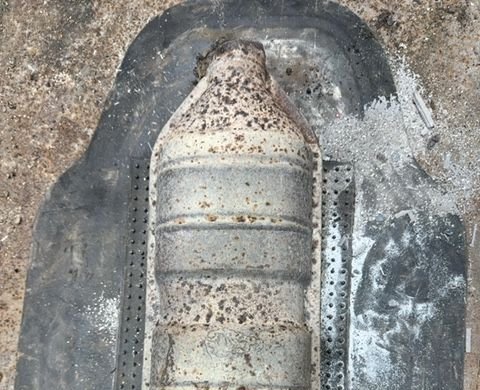
Why Safe Removal Directly Affects Your Catalytic Converter Scrap Value
Here's something most people don't think about until it's too late: how you remove a catalytic converter determines how much money you walk away with. A damaged substrate, a cracked shell, or a converter that's been torched off the wrong way can drop your payout significantly. If you're in Syracuse or anywhere else in New York chasing strong cat converter prices, the removal process matters just as much as the buyer you choose.
This guide walks you through safe, smart removal — whether you're pulling one cat from a personal vehicle or clearing out a stack of cores from an auto shop. We'll cover the tools, the steps, the mistakes to avoid, and how platforms like the SMASH scrap metal auction marketplace help you turn a properly removed converter into the best offer the market can deliver.
Tools You Need Before You Touch the Exhaust System
Going in unprepared wastes time and risks damaging the converter. The right setup takes maybe 20 minutes to assemble and saves you far more in avoided headaches. Here's what you need on hand before you start.
- Penetrating oil (PB Blaster or equivalent) — Exhaust hardware rusts onto itself over years of heat cycling. Soak the bolts and flanges at least 30 minutes before you turn a wrench, ideally overnight.
- Angle grinder or reciprocating saw — For stubborn flanges or seized connections that won't budge after penetrating oil. Use a metal-rated blade.
- Pipe wrench and breaker bar — Standard ratchets often can't generate enough torque on exhaust bolts. A breaker bar gives you the leverage to break them loose without stripping.
- Floor jack and jack stands rated for your vehicle weight — Never work under a vehicle on a floor jack alone. This is non-negotiable.
- Heat-resistant gloves and safety glasses — Exhaust components retain heat longer than you expect, even on a cold engine.
- Wire brush — Clean the flange faces and pipe connections as you go. Keeps things manageable and helps you see what you're working with.
- Marker or paint pen — If you're pulling multiple converters, mark each one with the vehicle year, make, model, and engine size immediately after removal. This information directly affects your catalytic converter scrap value.
One tool people consistently overlook: a camera or phone. Photograph the converter in place before removal — from both sides, showing the OEM stampings if visible. Buyers using competitive auction formats want documentation. Photos taken before and after removal establish provenance and condition, which builds buyer confidence and can support a stronger final offer.
Step-by-Step: How to Remove a Catalytic Converter Without Damaging It
Follow this sequence. Skipping steps — especially the cooling and penetrating oil stages — is where most people introduce damage that cuts into their payout.
- Let the vehicle cool completely. At minimum, two hours after last operation. Exhaust systems run hot. Burned hands and distorted cuts on a hot pipe are both avoidable.
- Apply penetrating oil to all exhaust clamps, flanges, and bolts. Let it soak. Seriously — give it time. Rushing this step is the most common mistake.
- Raise the vehicle and secure it on jack stands. Work on a flat, stable surface. Concrete is ideal. Gravel or soft ground is a liability.
- Identify the converter location. On most vehicles, the catalytic converter sits between the exhaust manifold and the muffler assembly. Some vehicles have two — a pre-cat close to the engine and a main cat further downstream. Know what you're pulling before you cut.
- Loosen the upstream and downstream connections. Work the bolts or clamps at both ends. If bolts break or won't turn, use your grinder to cut the pipe — but cut outside the converter body, not through it. Cutting into the substrate destroys value.
- Lower the converter carefully. Avoid dropping it. A cracked or crushed shell affects both the internal substrate integrity and the buyer's perception of condition.
- Mark it immediately. Year, make, model, engine size — right now, before it goes in the pile. Memory fades. Labels don't.
- Photograph front, back, and both sides. Capture any OEM part numbers or serial markings stamped on the housing.
That's it. Done properly, the whole job on a typical passenger vehicle takes 30 to 60 minutes. If you're running an auto shop in Syracuse pulling cats regularly, build this documentation habit into your workflow from day one. It pays off every single time you go to sell.
What Damages Converter Value — And How to Avoid It
Not all damage is obvious. Some of the most value-killing mistakes look fine from the outside. Understanding what buyers actually evaluate helps you protect your payout before the converter ever leaves your hands.
The substrate is everything. The platinum, palladium, and rhodium that drive cat converter value are locked inside the ceramic or metallic honeycomb substrate. Physical damage — cracks, crush zones, rattling loose material — directly reduces the recoverable precious metals. Buyers notice this. Serious buyers test for it.
Common damage scenarios and how to avoid them:
- Torch cutting too close to the body — Heat damage to the substrate degrades the catalyst material. Always cut the pipe, not the converter housing. Leave at least two inches of pipe on both ends.
- Dropping the unit on concrete — A single hard drop can fracture the internal substrate even if the shell looks undamaged. Handle removed converters like you'd handle something worth real money — because they are.
- Storing loose converters where they can roll or stack badly — Use bins or crates. Don't stack heavy loads on top of cats. Crushed housings signal damaged internals to any experienced buyer.
- Removing without documentation — This isn't physical damage, but it costs you just as much. A converter with no vehicle identification attached sells as an unknown unit. Documented converters with VIN or year/make/model data command buyer confidence — and competitive bids reflect that.
If you want to get the best catalytic converter price today, condition and documentation are your two biggest levers — both of which are entirely within your control at removal time.
Selling Smart: Why Cat Converter Prices in Syracuse Vary So Much
You could have an identical converter to the shop across town and walk away with a very different number. That gap isn't random. It comes down to who you sold to and how.
The traditional route — one buyer, one phone call, one offer — gives you no information and no leverage. You take what you're given or you walk. Most people don't walk. That's exactly what a single-buyer arrangement counts on.
Competitive formats change the math. When multiple vetted buyers see the same documented load — same photos, same vehicle data, same condition notes — they bid against each other. That competition is what drives price discovery. It's not magic. It's basic market mechanics that the old one-call system was designed to bypass.
Platforms like SMASH bring that competition directly to sellers. Whether you're in Syracuse, New York or anywhere else across North America, the buyer pool isn't limited to whoever picks up the phone in your zip code. Your documented converter — properly removed, photographed, and identified — goes to vetted buyers who actually compete for the load. No subscription fees. SMASH only earns when you sell. If you want to check current catalytic converter prices before you decide, do that first — but know that where you sell matters as much as what you're selling.
For shops handling volume — multiple cats per week — this scales meaningfully. Each documented unit with clean provenance adds up. Auto recyclers and dismantlers across New York who document consistently report faster transactions and fewer disputed loads. The paperwork discipline at removal time pays forward into the selling process.
Legal and Compliance Notes for Sellers in New York
New York state has clear regulations around catalytic converter sales designed to curb theft. If you're selling in Syracuse or anywhere in the state, know the basics before you show up at a buyer or submit through any platform.
- Proof of ownership or lawful possession is required. This typically means a title, bill of sale, repair order, or documentation tying the converter to a specific vehicle you owned or serviced.
- Vehicle identification documentation strengthens your position. VIN-matched records, repair orders with plate numbers, or customer authorization forms for shop-removed units all count.
- Payment restrictions apply. New York restricts cash payments for catalytic converter purchases above certain thresholds. Legitimate buyers on compliant platforms handle this correctly — be wary of any buyer offering only cash with no documentation trail.
- Record retention matters. Keep your documentation — photos, vehicle records, transaction records — for a minimum period consistent with state requirements. Consult a local attorney or compliance resource if you're operating at scale.
None of this is designed to make your life harder. It's designed to separate legitimate sellers from theft operations — and compliant sellers have nothing to worry about. If you've removed the converter legally and documented it properly at removal time, you're already ahead of most of the market.
Want to go deeper on pricing strategy and what different converter types are worth? Read catalytic converter pricing guides to understand how OEM converter grades, pre-cats, and aftermarket units each fit into the pricing landscape.
The bottom line: safe removal, honest documentation, and competitive selling are three separate steps — but they compound. Get each one right and you've done everything within your control to maximize your return. The market handles the rest.
When you're ready to find out what your properly removed and documented converter is actually worth in today's market, get the best price for your catalytic converter — get a free quote at best-catalytic-converter-price.com.
Disclaimer: Catalytic converter prices fluctuate based on platinum, palladium, and rhodium spot prices and market demand. Always check current rates before selling. No price referenced in this guide should be taken as a guaranteed offer.
Frequently Asked Questions
Q: How much are cat converter prices in Syracuse right now?
Prices vary based on the specific converter type, the precious metal content, and current platinum, palladium, and rhodium spot prices. Common passenger car cats can range significantly depending on the vehicle and grade. The most reliable way to get an accurate number for your specific unit is to submit it through a competitive platform where multiple buyers evaluate the same documented load. Check current rates at best-catalytic-converter-price.com before you sell.
Q: Can I remove a catalytic converter myself legally in New York?
Yes — if you own the vehicle or have documented authorization to service it. Removing a catalytic converter from a vehicle you own or have a legitimate repair relationship with is legal. What's illegal is removing one from a vehicle you don't own or have no documented right to work on. New York's regulations target theft, not legitimate recycling.
Q: Does a cracked or damaged converter still have scrap value?
It depends on the extent of the damage. A cracked shell with an intact substrate still has recoverable precious metals. A crushed or badly rattled substrate — where the internal honeycomb has broken apart — reduces the recoverable material and therefore the payout. Condition at removal significantly affects final value, which is why safe removal technique matters.
Q: What information do I need to sell a catalytic converter in Syracuse?
At minimum: proof of lawful possession (title, bill of sale, or repair documentation), the vehicle year, make, model, and engine size, and clear photos of the converter showing both ends and any OEM stampings. Having a VIN on record strengthens your position with buyers and with state compliance requirements.
Q: How does using an auction platform like SMASH affect my final price?
Competitive auction formats expose your documented converter to multiple vetted buyers simultaneously. Those buyers bid against each other, which creates genuine price discovery rather than a single take-it-or-leave-it offer. SMASH charges no subscription fees — the model only works when sellers get competitive results. More buyers seeing your load generally means better market-based pricing than a single-buyer phone call.
Follow SMASH on LinkedIn for scrap metal market updates, industry insights, and pricing trends: linkedin.com/company/scrap-metal-auction-sales-hub