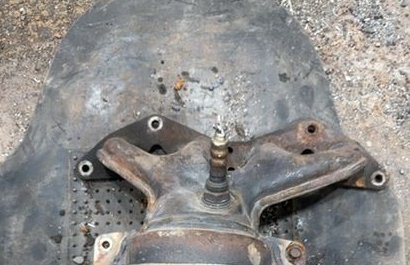
Why Catalytic Converter Scrap Prices Change Every Single Day
You pulled a cat off a vehicle this morning. By afternoon, the price your local scrap yard quoted you is different from what you saw online at 8 a.m. Sound familiar? That's not a glitch — that's how this market actually works. Catalytic converter scrap prices move daily, sometimes hourly, and if you don't understand why, you're leaving money on the table every time you sell.
Whether you're an auto shop in Columbus sitting on a pile of used converters, or an independent collector doing your homework before heading to a catalytic converter scrap yard near me search, this guide breaks down exactly what drives price swings — and how to time your sales smarter.
The Three Metals That Determine Your Cat's Value
Every catalytic converter contains a washcoat loaded with platinum group metals (PGMs) — platinum, palladium, and rhodium. These are the metals buyers are actually paying for when they quote you a price. The converter shell, the substrate, the ceramic or metallic honeycomb inside — all of it matters, but PGM content is the primary driver of catalytic converter price.
Here's what makes this complicated: each of those three metals trades independently on global commodity markets. Rhodium, for example, is one of the rarest and most volatile metals on earth. It has swung from a few hundred dollars per troy ounce to tens of thousands — and back down again — within the span of a few years. Palladium tracks closely with automotive production demand. Platinum tends to be more stable but still moves. When all three shift at once, the value of a single converter can change by a meaningful percentage in under 24 hours.
- Platinum: Used in diesel converters and some older gasoline applications. Tracks industrial and jewelry demand alongside auto sector trends.
- Palladium: Dominant in gasoline converters. Heavily influenced by automotive production volumes and emission regulation tightening globally.
- Rhodium: The wildcard. Even a small quantity in a converter has outsized value. When rhodium spikes, high-grade OEM converters spike with it.
This is why a quote from a catalytic converter buyer Columbus on a Monday might look very different from the same quote on a Thursday. The buyer isn't moving the goalposts arbitrarily — the underlying metal markets moved first.
What's Driving Scrap Metal Prices Today in 2026
As of September 2026, the PGM market continues to reflect a tug-of-war between two competing forces. On one side, the global push toward electric vehicles is gradually reducing new converter demand from automakers. On the other side, stricter emissions regulations in developing markets — particularly in Southeast Asia and parts of Latin America — are sustaining demand for converters in the near term. That tension keeps prices volatile.
Supply-side dynamics matter too. South Africa produces the majority of the world's platinum and rhodium. Any disruption there — labor action, energy shortages, political instability — ripples through the entire PGM supply chain within days. Recycled catalytic converters are a critical secondary supply source, which means your scrap cat is plugging into a genuinely global market every time you go to sell it.
For sellers in Ohio, local factors also play a role. Columbus has a strong base of auto dismantlers, fleet operators, and repair shops feeding the regional recycling market. Competition among buyers in a healthy regional market generally helps with catalytic converter recycling Columbus pricing — but only if you're actually getting multiple quotes and not just defaulting to the first number someone throws at you.
Want to stay current on where scrap metal prices today are trending? check current catalytic converter prices before you sell — it takes two minutes and can change your outcome significantly.
OEM vs. Aftermarket: Why the Source of Your Converter Matters
Not all catalytic converters are priced equally, and the gap between OEM and aftermarket units is one of the most important things to understand before you sell. An OEM (original equipment manufacturer) converter — the unit that came on the vehicle from the factory — typically contains significantly more PGM loading than an aftermarket replacement. Aftermarket converters are built to meet regulatory minimums, not to maximize metal loading.
What does this mean for your wallet? An OEM converter off a full-size truck or a luxury vehicle could command a meaningfully higher price than an aftermarket unit off the same make and model. Buyers who use serial number lookups and VIN-based identification tools can tell the difference instantly. If you're walking into a sale without knowing what you have, you may be accepting a flat rate that doesn't reflect the actual cat converter value in your hand.
This is one of the places where platforms built for transparency give sellers an edge. When documentation, photos, and serial tracking accompany a lot, buyers can bid with confidence on the actual material — not just the lowest-risk assumption. Find the best price for your scrap on SMASH — that kind of documented, competitive process is exactly what separates informed sellers from ones who leave money behind.
High-Value Converter Types to Know
- Large foreign cats (certain Toyota, Honda, and Lexus OEM units): consistently strong PGM content
- Pre-OBD domestic V8 converters: older units with high-grade washcoat loading
- Diesel oxidation catalysts (DOCs): platinum-heavy, demand fluctuates with diesel sector
- High-grade domestics: OEM units from full-size trucks and SUVs with strong PGM assay results
How to Get the Best Price When You Sell Catalytic Converter for Cash
The single biggest mistake sellers make is accepting the first quote. That's not a knock on any individual buyer — it's just market reality. A single buyer has their own cost structure, their own target margin, and their own current inventory position. They don't have any incentive to tell you that someone across town would pay more today. You have to find that out yourself.
Here's a practical approach to getting the best outcome when you sell catalytic converter for cash:
- Know what you have before you walk in. Identify the unit by serial number if possible. OEM vs. aftermarket matters. Make, model, and year matter. Condition matters.
- Check the PGM spot prices. Platinum, palladium, and rhodium prices are publicly available. You don't need to be a commodities trader — you just need to know if the market is up or down today versus last week.
- Get multiple quotes. At minimum, call two buyers. Better yet, use a platform that puts your lot in front of multiple vetted buyers simultaneously.
- Document your lot. Photos, weight, serial numbers, condition notes. The more a buyer can see without guessing, the more confidently they can bid — and that confidence typically shows up in their offer.
- Time your sale when it makes sense. If rhodium just dropped 15% in a week, waiting a few days (if you can) might be worth it. If palladium is running, move your stock.
Columbus sellers have solid options, but the regional market has real variation in what buyers will pay. Working with Columbus scrap metal services that connect you to verified buyers — rather than just walking into the nearest yard — is how you stop guessing and start transacting at real market prices.
Platforms like SMASH are built specifically to solve this problem. Instead of one phone call and one number, you get competitive bids from vetted buyers who've seen your documented lot. No subscription to pay. No guessing on price. Get the best catalytic converter price today by putting real market competition to work for you.
Reading the Market: Resources and Habits That Help
Staying current on PGM prices doesn't require a Bloomberg terminal. There are straightforward public resources that track daily spot prices for platinum, palladium, and rhodium. Building a habit of checking them before any significant sale takes about two minutes and can materially change your decision on when and where to sell.
Beyond spot prices, pay attention to news from the automotive sector. Announcements from major automakers about production ramp-ups or slowdowns affect palladium demand quickly. Regulatory updates — particularly emissions standards changes in major markets — can signal shifts in PGM demand months before they show up in your local buyer's quote. For Ohio sellers, keeping an eye on what's happening at the regional recycling level also matters. A major buyer entering or exiting the Columbus market changes competitive dynamics for everyone selling in the area.
For deeper reading on how pricing works and what affects the value of your specific converter types, read catalytic converter pricing guides that break down the fundamentals without the industry jargon.
The bottom line: catalytic converter recycling is not a static market. Prices today are not prices tomorrow. The sellers who do best over time are the ones who treat it like the commodity market it actually is — informed, documented, and competitive. If you're in Columbus or anywhere across Ohio, the infrastructure to do this right is available to you right now.
When you're ready to move your cats, don't settle for a single cold quote. Get the best price for your catalytic converter — submit your lot, get competitive bids from vetted buyers, and walk away knowing you got a real market price. Get a free quote at best-catalytic-converter-price.com.
Disclaimer: Catalytic converter scrap prices fluctuate daily based on global PGM spot markets. All pricing information referenced in this article is general in nature. Always check current rates before selling.
Frequently Asked Questions
Q: How often do catalytic converter scrap prices change?
PGM-based catalytic converter prices can change daily — sometimes multiple times in a single day — because they track live commodity markets for platinum, palladium, and rhodium. Major market events, automotive sector news, or supply disruptions can cause significant swings in short periods. Always check current spot prices before committing to a sale.
Q: How do I find a reliable catalytic converter buyer in Columbus?
Start by identifying what you have (OEM vs. aftermarket, serial number, condition), then get quotes from multiple buyers rather than defaulting to the first yard you find. Using a platform that connects you to vetted buyers — like SMASH — puts competitive pressure on pricing and removes the guesswork. Columbus has an active recycling market, but not all buyers offer the same price on the same day.
Q: Does it matter if my converter is OEM or aftermarket when I sell it?
Yes — significantly. OEM converters typically carry much higher PGM loading than aftermarket replacements, which means they're worth more to recyclers. A buyer using serial number lookup tools can identify the unit and quote accordingly. Showing up with documented, identified inventory almost always produces better outcomes than selling unidentified lots at a flat rate.
Q: What's the best way to sell a catalytic converter for cash in Ohio?
Document your lot thoroughly — photos, weight, serial numbers, condition. Check current platinum, palladium, and rhodium spot prices. Get at least two quotes, and ideally use a multi-buyer platform to create real competition for your material. Ohio has active recycling infrastructure, but the gap between the best and worst quote on the same converter can be substantial.
Q: Why does rhodium affect my cat price so much?
Rhodium is extraordinarily rare and almost exclusively used in catalytic converters for three-way emission control. Even a fraction of a gram in a converter's washcoat contributes meaningfully to its value. Because rhodium supply is so constrained and industrial substitution is difficult, its price is highly volatile — and when it moves, the value of rhodium-bearing converters moves with it, often sharply.
Follow SMASH on LinkedIn for industry updates, PGM market insights, and scrap metal pricing news you can actually use.
```