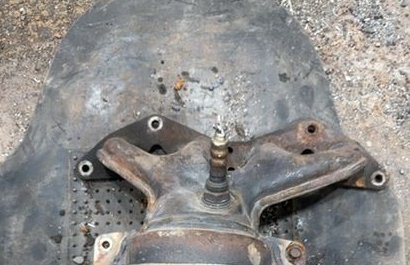
Most people selling a catalytic converter think weight is the biggest factor. It's not. Grade is everything. Two cats can weigh the same and sell for $40 apart — or $400 apart — depending on what's inside. If you're trying to get the best price for your scrap cats, you need to understand how grading works, what drives each pricing tier, and why the rhodium price today plays a bigger role than most sellers realize.
This guide breaks down catalytic converter grading from the ground up — no jargon, no guessing. Whether you've got one cat from a weekend garage pull or a pallet load from a fleet shop, the same rules apply.
---What Catalytic Converter Grading Actually Means
A catalytic converter doesn't get priced by looking at the outside. It gets priced by what's inside the substrate — specifically, the concentration of three platinum group metals (PGMs): platinum, palladium, and rhodium. Grading is the process of sorting converters into tiers based on those PGM concentrations.
Buyers and processors use a combination of visual identification, serial number lookup, and assay data to assign a grade. Each grade corresponds to a price per unit. The better the grade, the higher the PGM loading, and the more money you get. That's the entire logic of the system.
Here's what drives a converter into a higher grade:
- Higher PGM loading from the original manufacturer
- OEM origin (factory-installed, not aftermarket replacement)
- Low mileage or minimal substrate damage
- Intact honeycomb — no rattling, no crushed core
- Clean shell with no excessive welding or patching
And here's what pushes a cat down the grade ladder: aftermarket origin, cracked or rattled-out substrate, excess moisture, or a missing serial number that can't be cross-referenced.
---The Pricing Tiers: From High-Grade to Low-Grade Cats
The industry generally sorts converters into four broad tiers, though terminology varies between buyers. Understanding where your cats fall helps you negotiate — or at minimum, not get lowballed.
Tier 1 — High-Grade OEM Converters
These are the heavy hitters. OEM catalytic converter value at this tier is driven by high PGM loading, typically from domestic trucks, performance vehicles, and certain foreign nameplates. Think pre-emission-era trucks, specific GM platforms, or late-model European vehicles with stringent emission requirements. A single high-grade cat can represent serious money when rhodium prices are elevated.
Rhodium is the wild card. It's the rarest of the three PGMs and historically the most volatile. When the rhodium price today spikes, Tier 1 converters spike with it. When it drops, margins compress fast. Sellers holding high-grade inventory during a rhodium rally are in a strong position — which is exactly why timing matters.
Tier 2 — Mid-Grade Converters
Mid-grade cats are the bread and butter of most recycling yards. These include a wide range of domestic and foreign OEM converters with moderate PGM loading. Common examples: standard V6 sedans, light-duty trucks, and many Japanese nameplates from the past decade. They're not flashy, but there's volume here.
Price per unit in this tier is heavily influenced by palladium values, since many mid-grade cats lean palladium-heavy in their PGM mix. Palladium has historically been the dominant driver for this tier, and fluctuations in the spot market hit mid-grade pricing directly.
Tier 3 — Low-Grade Converters
Low-grade cats have measurable PGM content but at concentrations that produce modest recovery values. Many small-displacement foreign vehicles fall into this range. You're not losing money selling them — but you're not getting rich either. Volume is the strategy here.
The mistake sellers make with low-grade cats is accepting a flat "junk cat" price without confirmation of the grade. Some buyers will low-ball a Tier 3 cat that's actually borderline Tier 2. Know what you have before you sell.
Tier 4 — Aftermarket / Scrap-Only Converters
Aftermarket replacement converters — the kind installed at a chain shop after the OEM fails — carry minimal PGM loading. They're built to meet emissions standards cheaply, not to maximize precious metal content. Scrap buyers pay significantly less for these, and some won't take them at all in mixed loads without a discount.
If you're running get the best catalytic converter price today and your load is mixed OEM and aftermarket, make sure those are clearly separated. Lumping them together invites a blended low price on everything.
---How Rhodium Price Today Affects Every Tier Differently
The rhodium price today doesn't move all tiers equally. Tier 1 cats respond the most dramatically because they carry the highest rhodium concentrations. A 20% swing in rhodium spot can translate to a meaningful per-unit change on a high-grade converter. On a Tier 4 aftermarket cat, that same swing barely registers.
This is why treating catalytic converter sales like scrap copper — just weigh it and move it — costs you money. PGM markets move daily. Rhodium in particular has historically seen dramatic swings over short windows. If you're sitting on a pile of high-grade cats and rhodium runs up, waiting a week to sell could mean real money. If it's dropping, the opposite is true.
Staying current on PGM spot prices isn't optional if you're selling any volume. You can check current catalytic converter prices to stay ahead of the market before you commit to a sale.
Sellers in Ohio — including those running high-volume shops in the Cincinnati metro — often move mixed loads without separating grades first. That's leaving money on the table every single time.
---How to Identify Your Converter's Grade Before You Sell
You don't need to be a metallurgist. You need three things: a serial number, a reference database, and a buyer who will show their work. Here's the process:
- Locate the serial number or part number — usually stamped on the shell, end pipe, or heat shield. Some older cats have it on the substrate end cap.
- Cross-reference it — use a reputable pricing guide or platform database to match the serial to a known converter type and grade range.
- Document the condition — photograph both ends, the shell, and any damage. Rattled-out substrates or visible cracks affect value regardless of grade.
- Get multiple quotes — a single buyer's offer is not a market. It's one data point. Competition reveals the actual market price.
- Separate your grades — don't sell a mixed pallet at a blended rate if you have identifiable high-grades in the mix.
Platforms like SMASH are built for exactly this process. When you list a load on find the best price for your scrap on SMASH, vetted buyers compete on your material. That competition surfaces real market pricing instead of one buyer's margin-protecting offer. For sellers in Cincinnati looking to sell catalytic converters in Ohio without locking into a single local buyer, it's a fundamentally different approach to the market.
---Selling Catalytic Converters in Cincinnati: What Local Sellers Need to Know
The Cincinnati scrap market is active. There are local yards buying cats — and if you've searched around, you've probably come across options ranging from small independent yards to larger operations. Comparing what's available locally is smart. But local doesn't automatically mean best price.
Local scrap yards set their own buy prices based on their own margins, their relationship with their processor, and their overhead. That's not criticism — it's just how the business works. A yard in Cincinnati buying cats at the counter is not obligated to pay you spot-minus-nothing. They're running a business.
That's why sellers with volume — auto shops, dismantlers, fleet operators — increasingly use online platforms alongside or instead of walk-in yard sales. Read catalytic converter pricing guides to understand what your load should realistically fetch before you walk in the door anywhere.
For Cincinnati-area sellers wanting to explore what competitive bidding looks like on their specific inventory, Cincinnati scrap metal services can connect you with the process and local context. And SMASH's platform brings national buyer competition to your local load — wherever you're selling from in Ohio.
Disclaimer: Catalytic converter prices fluctuate daily based on PGM spot markets. Always verify current rates before selling.
---Why Transparent Grading and Competitive Bidding Go Together
Here's the uncomfortable truth about selling scrap cats the old way: you rarely know if you got a fair price. One buyer, one offer, one phone call. You either take it or walk. There's no reference point, no competitive tension, no data.
Transparent grading fixes half the problem — you know what you have. Competitive bidding fixes the other half — you know what it's worth in the current market. SMASH combines both. Serial tracking, photo documentation, and a vetted buyer pool mean your load gets assessed accurately and bid on competitively. That's a different experience than dropping a load on a yard scale and waiting for a number.
More buyers means better price discovery. That's not marketing language — it's basic economics. If you're selling any real volume of cats and you're not getting competitive bids, you're operating with incomplete market information. The grading system exists to create that transparency. Use it.
When you're ready to stop guessing and start selling with actual market data behind you, get the best catalytic converter price today — and see what your graded inventory is actually worth right now.
---Frequently Asked Questions
Q: How does the rhodium price today affect what I get paid for my catalytic converter?
Rhodium is one of three platinum group metals (PGMs) recovered from catalytic converters. Its spot price directly impacts the per-unit payout for high-grade OEM converters, which carry the highest rhodium concentrations. When rhodium prices rise, high-grade cat values rise with them. Always check current PGM spot prices before selling a significant load.
Q: What's the difference between an OEM and aftermarket catalytic converter for scrap value?
OEM (original equipment manufacturer) converters are factory-installed and built to meet stringent PGM loading requirements. Aftermarket replacements are produced cheaply to meet minimum emissions standards and carry far less precious metal content. An OEM converter will consistently outprice an aftermarket unit of the same physical size at the scrap yard — sometimes by a wide margin.
Q: Can I sell catalytic converters online instead of going to a local yard in Cincinnati?
Yes. Online platforms like SMASH let you list your cats to vetted buyers who compete on price. This creates genuine price competition rather than a single take-it-or-leave-it offer. Many sellers in Ohio — including Cincinnati-area shops — use online bidding to supplement or replace local yard sales, especially for high-grade or high-volume loads.
Q: How do I know what grade my catalytic converter is before I sell it?
Start with the serial or part number stamped on the shell or end cap. Cross-reference it with a reliable converter pricing database to identify the type and expected grade range. Document its condition with photos — substrate integrity matters. Never accept a "junk cat" flat price on an unidentified converter without confirming its grade first.
Q: Does it matter if my catalytic converter substrate is cracked or rattled out?
Yes — significantly. A rattled-out or cracked substrate means PGM material has been lost, and the buyer's recovery value drops accordingly. Most buyers will downgrade or discount any cat with visible substrate damage. That said, even a damaged converter still has some recovery value, so don't throw it away — just price it accordingly and be transparent about the condition when selling.
---Ready to stop guessing what your cats are worth? Whether you're an auto shop in Cincinnati clearing out a backlog of cores or a collector sitting on a mixed load, getting an accurate grade assessment and a competitive bid can make a real difference. get the best catalytic converter price today and find out what your inventory is actually worth in today's market.
Follow SMASH on LinkedIn for ongoing scrap metal market updates, PGM price insights, and industry news — useful reading for anyone buying or selling cats in today's market.