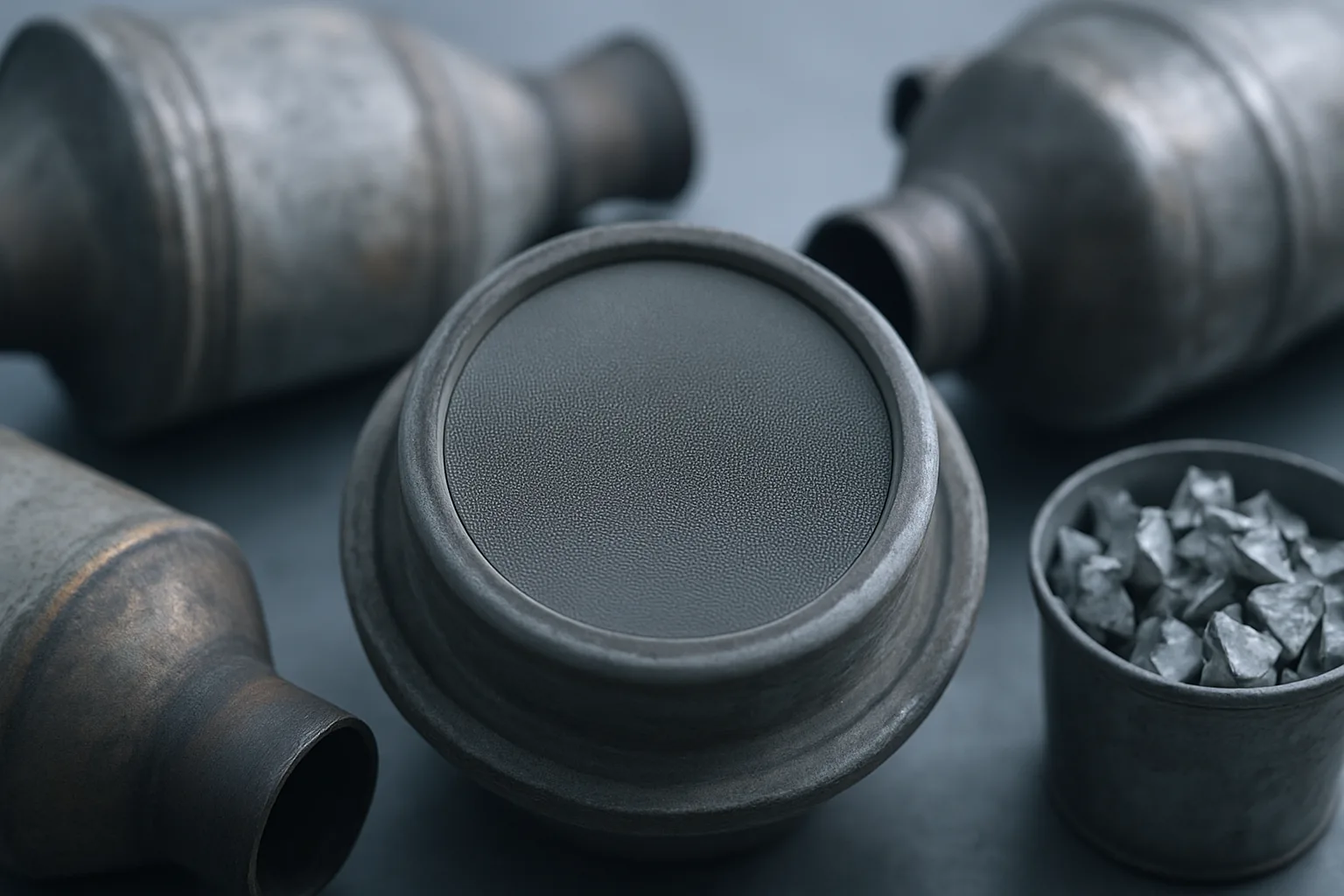
Why Your Phone Camera Is Costing You Money on Scrap Catalytic Converters
Most people selling a scrap catalytic converter show up with a blurry photo, bad lighting, and no serial number visible. Then they wonder why the quote came in low — or why no one wanted to buy it at all. If you're trying to get the best catalytic converter price Buffalo has to offer, the photos you submit are doing a lot of the heavy lifting before anyone ever sees the physical unit.
This isn't about being a photographer. It's about giving buyers the information they need to bid with confidence. When buyers can't see what they're getting, they price in uncertainty. That uncertainty comes out of your pocket. A clear, well-documented photo submission changes that dynamic entirely.
What Buyers Actually Look at When They Review Your Photos
Before a buyer puts a number on your converter, they're trying to answer a few specific questions: What unit is this? Is it OEM or aftermarket? What's the condition of the substrate inside? Has it been gutted, cracked, or overheated? A professional recycler or platform like SMASH Scrap — where verified buyers bid on your metal is evaluating every one of those questions from the images you provide.
Here's what they're looking for in your photos:
- The serial number or part number — This is the single most important element. Every OEM catalytic converter has a stamped or embossed code that identifies the make, model, and precious metal loading. Without it, buyers are guessing. When buyers guess, they guess low.
- Both end openings (the inlets and outlets) — These show the substrate condition. Buyers want to see whether the honeycomb ceramic is intact, cracked, or missing entirely.
- The outer shell condition — Dents, burn marks, and physical damage all affect the quote. Show them clearly rather than hide them.
- Any welded repairs or cut marks — These are red flags for buyers and will affect the bid. Trying to hide them just kills the deal later.
- Scale reference if possible — A coin or a hand next to the unit helps buyers quickly assess the size, which correlates to substrate volume and precious metal content.
Converters contain platinum, palladium, and rhodium — the three platinum group metals (PGMs) that give a cat its value. The concentration of those metals varies dramatically by vehicle manufacturer and engine type. A buyer identifying your unit from a clear serial number can look it up against a catalytic converter scrap price list and price it accurately. Without that number, they're estimating, and estimates are conservative by design.
Step-by-Step: How to Photograph a Catalytic Converter for an Accurate Quote
You don't need special equipment. A modern smartphone in decent lighting is enough — if you know what to shoot and how. Follow this process and you'll submit photos that actually move the needle on your quote.
- Clean the unit first. Wipe down the converter with a rag. You don't need it spotless, but caked-on grease and road grime can obscure the serial number and make the shell condition impossible to read. Thirty seconds with a wire brush or rag makes a real difference.
- Shoot in natural daylight. Indoor lighting under fluorescents creates color casts and shadows that hide detail. Take your photos outside, ideally in open shade — not direct sunlight, which blows out contrast and makes stamped numbers hard to read.
- Photograph the serial number first and close. Get within 6–8 inches of the stamped code. Fill the frame with it. Take multiple shots and pick the sharpest one. If the number is raised (embossed) rather than stamped, try shooting at a slight angle to create a shadow that makes the characters pop.
- Shoot both end openings straight-on. Put the converter on a flat surface, aim your camera directly into the inlet opening, and shoot. Then flip it and do the outlet. You want the buyer to see the honeycomb substrate clearly — intact, cracked, or otherwise.
- Get a full-length side shot. Lay the converter on its side and back up enough to capture the whole unit. This shows overall shape, size, and any visible damage to the shell or pipe connections.
- Document any damage separately. If there's a crack, a dent, or a weld, get a dedicated close-up of it. Transparency builds trust with buyers and prevents disputes after the quote is accepted.
- Include a size reference. Drop a standard-size object next to the unit — a quarter, a pen, or your hand. It takes two seconds and helps buyers calibrate volume without having to ask a follow-up question.
Yards and collectors across Buffalo and western New York deal with high volumes of converters coming off everything from older domestic trucks to imported SUVs. The units vary widely in value. A common GM catalytic converter and a Honda converter the same physical size can carry very different PGM loadings. The serial number is the only way to know for sure — and the photo is the only way to get that number to a buyer quickly.
How Scrap Metal Prices Today Affect What You Should Document
The value of your catalytic converter moves with the spot prices of platinum, palladium, and rhodium — and rhodium price today is one of the most volatile inputs in the scrap converter market. Rhodium swings can be dramatic week to week, which means a quote from two weeks ago may be meaningfully different from what a buyer offers today. That's why photo documentation tied to a current submission matters more than holding a quote from last month.
When scrap metal prices today are high, buyers have more incentive to bid aggressively — but they still need to know what they're bidding on. A well-photographed, clearly identified converter gives buyers the confidence to price at or near the top of the market. A blurry, unidentified unit gets treated as a floor-price guess. You're leaving real money on the table every time you submit incomplete documentation.
Platforms built around competitive bidding — like the SMASH scrap metal auction model — are specifically designed to solve this problem. When multiple vetted buyers are reviewing the same documented photos and competing on price, the market does the work for you. That's a fundamentally different outcome than calling one local buyer and accepting whatever number they offer.
Aftermarket vs. OEM Converters: Why Photos Make a Bigger Difference Than You Think
If you're selling an aftermarket catalytic converter — the kind that gets bolted on as a replacement — the photo documentation becomes even more critical, but for a different reason. Aftermarket converters typically carry far less platinum, palladium, and rhodium than OEM units. A buyer who can't tell from your photos whether it's OEM or aftermarket will often default to aftermarket pricing to protect themselves.
OEM converters are manufactured to the original vehicle specification and tend to carry higher PGM loadings than their aftermarket replacements. The difference in scrap value between an OEM unit and an aftermarket replacement of the same physical size can be significant. Your photos — specifically the serial number and any manufacturer markings — are what allow a buyer to make that determination accurately before placing a bid.
If you're in Buffalo or anywhere across New York, Buffalo scrap metal services can help you identify and document your units before submission. Getting that identification step right is what separates a fair quote from a great one.
To get an accurate, market-based quote before you sell, check current catalytic converter prices and see what your documentation is worth in today's market.
Common Photo Mistakes That Tank Your Quote
Even experienced collectors make these errors. Avoid them and your submissions will consistently generate stronger responses from buyers.
- Shooting through plastic bags or packaging. It seems convenient, but the reflections and distortion make serial numbers unreadable. Always remove the converter from any wrapping before photographing.
- Only submitting one photo. One photo is never enough. A single side-shot tells buyers almost nothing. Plan for a minimum of four images: serial number close-up, both end openings, and one full-length exterior shot.
- Using flash in a dark garage. Flash creates harsh glare on the metal surface and completely washes out stamped numbers. Go outside instead.
- Photographing a pile instead of individual units. If you have multiple converters to sell, photograph each one individually. A pile of converters is not a submission — it's a reason for a buyer to pass or underbid.
- Cropping out the ends. The inlet and outlet openings show substrate integrity. Don't crop them out of the frame.
- Not re-shooting if the image is blurry. Tap to focus before you shoot. Check the image immediately. If it's blurry, retake it. It costs you thirty seconds. Submitting a blurry image costs you money.
For a deeper look at how pricing works across different converter types and market conditions, read catalytic converter pricing guides to understand how PGM values translate into scrap quotes.
Putting It Together: Documentation Is the New Negotiation
The scrap converter market has gotten more sophisticated. Buyers have access to assay data, historical pricing databases, and competitive platforms. The sellers who consistently get the best catalytic converter price today are the ones who treat documentation as part of the process — not an afterthought.
Whether you're clearing out a shop in Buffalo, selling off a collection from years of wrecking, or moving a single high-value unit off a truck, the photos you take in the next ten minutes will determine whether you get a floor-price guess or a real market bid. Take them seriously. Use the process above. Submit to a platform where buyers compete for your material rather than a single contact who has no reason to offer more than the minimum.
If you want a real market-based number on what you're holding, take the time to document it properly and get a free quote at best-catalytic-converter-price.com. It's the fastest way to find out what your converters are actually worth in today's market — not yesterday's guess.
Disclaimer: Catalytic converter prices fluctuate based on daily PGM spot prices for platinum, palladium, and rhodium. Always check current rates before accepting any quote.
Frequently Asked Questions
Q: How many photos do I need to submit to get an accurate catalytic converter quote in Buffalo?
Plan for a minimum of four photos per unit: a close-up of the serial number, both end openings (inlet and outlet), and one full-length exterior shot showing the shell condition. More is better — especially if there's visible damage. Buyers reviewing submissions for Buffalo and western New York converters need enough visual information to identify the unit and assess its substrate integrity before they can bid accurately.
Q: What if the serial number on my catalytic converter is worn off or unreadable?
Try photographing the number at an angle using natural sidelight to bring out any remaining depth in the stamp. If the number is genuinely unreadable, provide the vehicle's year, make, model, and engine size — buyers can often cross-reference with VIN data or known fitment charts. Your quote may carry more uncertainty without a confirmed serial, but a thorough set of photos showing both end openings and overall condition will still help buyers price more confidently than a vague description alone.
Q: Does the rhodium price today affect what I get for a single catalytic converter?
Yes — directly. Rhodium is one of three platinum group metals in a catalytic converter's substrate, and its spot price is factored into every serious buyer's quote. When rhodium is elevated, high-rhodium units (common in certain foreign makes and high-performance applications) can be worth significantly more. Always submit for a fresh quote rather than relying on a number from a previous week, since PGM prices shift daily.
Q: Is it worth photographing an aftermarket catalytic converter, or should I just sell it as scrap?
Always photograph it, even if it's aftermarket. While aftermarket converters generally carry lower PGM content than OEM units, there's still meaningful variation between brands and series — and some aftermarket units carry more precious metal than buyers assume. Clear photos and visible manufacturer markings let buyers make an accurate determination rather than defaulting to the lowest possible bid.
Q: How does the SMASH scrap metal auction process work for catalytic converters?
SMASH connects sellers with a network of vetted buyers who review your documented inventory and compete through an auction format rather than a single take-it-or-leave-it offer. When multiple buyers see the same well-photographed, clearly identified converters, competition can help reveal the true market value. There are no subscription fees — SMASH only wins when the seller wins. It's a fundamentally different model than cold-calling one local contact and hoping for a fair number.
Stay current with PGM spot prices and scrap metal market moves — follow SMASH on LinkedIn for weekly industry updates and scrap metal market insights.