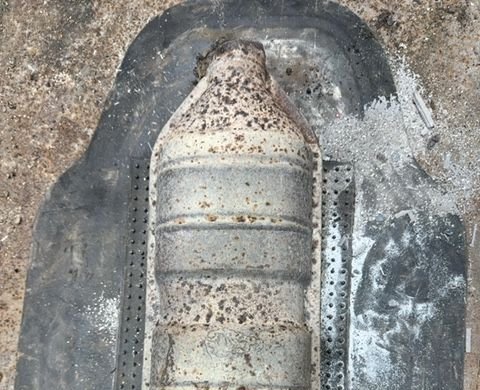
Why Catalytic Converter Serial Numbers Are Worth Real Money — If You Can Read Them
Most scrap yards treat catalytic converters like a commodity. Toss it on the scale, guess the grade, offer you a flat rate. But here's what they're not telling you: the serial number stamped on that converter is a direct line to its actual platinum, palladium, and rhodium content. Miss that number, and you're leaving money on the table. In Miami's competitive scrap market, that gap between a guessed price and an informed price can be significant.
If you're sitting on a pile of cats and trying to figure out how to get the best catalytic converter price today, learning to identify and read serial numbers is the single most useful skill you can develop. This guide walks you through exactly how to do it.
What Is a Catalytic Converter Serial Number — and Why Does It Matter?
Every OEM (original equipment manufacturer) catalytic converter leaves the factory with a serial number, part number, or casting code. This isn't just a manufacturer's tracking tag. It's a fingerprint. That alphanumeric string ties directly to a specific vehicle application, substrate type, and — critically — the precise loading of platinum group metals (PGMs) inside the unit.
Refiners and serious buyers use that number to pull a known assay. They know, based on historical smelting data, roughly how many grams of platinum, palladium, and rhodium a converter with that exact code is expected to yield. That's why two converters that look identical on the outside can be worth dramatically different amounts. One might be loaded with palladium-heavy substrate from a late-model import. The other might be a lower-grade domestic unit. Same shell. Completely different value.
- Serial numbers enable assay-based pricing — not guesswork pricing.
- Buyers with reference databases can look up known PGM yields by code.
- Documented serial numbers also protect you legally — especially important in Florida, where converter documentation requirements have tightened significantly.
- Platforms like the SMASH scrap metal auction marketplace rely on accurate converter identification to attract serious, vetted buyers who compete on price.
Where to Find the Serial Number on a Catalytic Converter
This is where a lot of sellers get stuck. The number isn't always obvious. Location varies by manufacturer, vehicle type, and converter style. Here's where to look:
Common Serial Number Locations
- Stamped directly on the shell — Most OEM converters have a stamped or laser-etched code directly on the outer metal casing. Check both the top and bottom of the body, and along the seam welds.
- Cast into the end cone — Some converters, particularly GM and Ford units, have casting codes on the inlet or outlet cones rather than the body.
- On a welded tag or heat shield — Certain manufacturers attach a small metal tag. Heat and corrosion often damage these, so check carefully.
- Near the oxygen sensor bung — On some foreign-nameplate vehicles, particularly Toyota and Honda units, part numbers appear near the O2 sensor port.
- Underneath the unit — If you pulled it from a vehicle, flip it. The underside often has stampings that aren't visible from above.
Miami's climate works against you here. South Florida heat and humidity accelerate surface oxidation. If you're sourcing converters from older vehicles or salvage lots, serial numbers may be partially obscured by rust or carbon buildup. A wire brush and good lighting go a long way. Some buyers use UV lamps to read faded stampings.
How to Decode the Number: OEM Codes vs. Generic Aftermarket
Once you've found the number, you need to know what type it is. OEM codes and aftermarket part numbers are not the same thing — and buyers treat them very differently when pricing your load.
OEM Catalytic Converter Codes
OEM codes are assigned by the vehicle manufacturer. They're typically alphanumeric strings that reference a specific model year, engine displacement, and emissions configuration. Examples of OEM code formats include GM's 7-digit casting codes, Ford's prefix/suffix structure (like 4L5Z-5F250-AA), and Toyota's part number format starting with 89465 or similar sequences. These codes map directly to known PGM data. When you hand a buyer a converter with a clean, legible OEM code, they're not guessing — they're pricing against real refinery data.
Aftermarket Codes
Aftermarket converters — sold as replacements by companies like MagnaFlow, Walker, or Eastern — carry part numbers tied to the aftermarket brand, not the vehicle OEM. These converters generally contain significantly less platinum, palladium, and rhodium than their OEM counterparts. A Walker unit might carry a small fraction of the PGM content of a factory Toyota cat. If you're collecting converters for scrap, separating OEM from aftermarket before you approach a buyer matters. Mixing them into a single lot and letting a buyer sort it out usually means you get priced at the lower grade across the board.
To read catalytic converter pricing guides that break down OEM vs. aftermarket value differences, check the resource library — it's worth reviewing before you negotiate your next sale.
Using Serial Numbers to Estimate Value: Platinum, Palladium, and Rhodium
The three metals inside a catalytic converter's ceramic substrate are what drive its scrap value. Platinum, palladium, and rhodium prices fluctuate daily based on global commodity markets. Checking the rhodium price today before you sell is not optional if you want to negotiate intelligently — rhodium has historically swung hundreds or even thousands of dollars per troy ounce in a short window.
Here's a simplified framework for how serial number data connects to value:
- High-grade domestic cats (e.g., pre-2010 GM trucks, full-size SUVs) — Typically platinum-dominant. Heavy units. Often among the most valuable domestic grades.
- Foreign small-car cats (Honda Civic, Toyota Corolla, etc.) — Palladium-heavy. Smaller physical size but often high PGM concentration per unit weight.
- Diesel oxidation catalysts (DOCs) — Lower PGM content. Don't confuse these with standard gasoline cats — they look similar but price differently.
- Large diesel cats / DPFs — Diesel particulate filters contain different material. Price separately and confirm with your buyer before including them in a standard cat lot.
Platforms like SMASH give vetted buyers access to documented converter inventory — including serial number data, photos, and condition notes. That documentation translates directly into buyer confidence, which drives competitive bidding. More competition means better price discovery. That's not a promise of higher prices — it's how transparent markets work.
Serial Number Documentation and Florida Compliance
Florida has specific recordkeeping requirements for secondary metals dealers and scrap collectors. As of 2026, sellers and buyers of catalytic converters in Florida must maintain documented records including vehicle identification (where applicable), seller identification, and converter descriptions. Serial numbers are a core part of that documentation trail.
If you're operating Miami scrap metal services or selling cats in bulk through Miami-area dealers, having serial numbers photographed and logged before the sale isn't just good practice — it's a compliance requirement. Buyers who ask for this documentation aren't being difficult. They're protecting themselves and, by extension, you.
Investing in a simple inventory workflow — photograph the serial number, photograph the full converter, log the VIN if you have it — takes minutes per unit. It also gives you a lot-level record that can support a scrap catalytic converter price list comparison when you're shopping buyers. You're not guessing what you have. You know.
How to Get the Best Catalytic Converter Price in Miami Using What You Know
Reading serial numbers is the foundation. But getting the best price means putting that knowledge into a process. Here's how sellers in Miami and across Florida maximize returns on their cat inventory:
- Identify and sort before you sell. Separate OEM from aftermarket. Separate diesel from gasoline. Don't hand a buyer a mixed lot and let them price it at the lowest common denominator.
- Photograph everything. Serial number close-up, full converter body, any visible damage or missing substrate. Buyers price risk. Documented inventory reduces their perceived risk.
- Check spot prices before you go. Know where platinum, palladium, and rhodium sit on the day you're selling. It tells you whether you're in a strong market or a soft one.
- Get multiple bids. One phone call to one buyer is not a market. It's a guess. Use platforms like SMASH to put your documented inventory in front of multiple vetted buyers simultaneously.
- Don't accept a flat-rate lot price without asking for a breakdown. A buyer who can't tell you how they're pricing your high-grade units differently from your low-grade units isn't pricing them differently.
If you want to check current catalytic converter prices and understand what your specific units are worth before you walk into any negotiation, do that first. Going in informed changes the conversation entirely.
Miami is a high-volume market. Auto dismantlers, repair shops, and independent collectors move a lot of product. That means buyers are active and the opportunity to find competitive pricing is real — but only if you show up with documented, identified inventory and a baseline understanding of what you're holding.
Disclaimer: Catalytic converter prices fluctuate daily based on platinum, palladium, and rhodium spot prices. All value estimates should be confirmed against current market rates before any transaction.
Frequently Asked Questions
Q: How do I find the serial number on a catalytic converter if it's corroded or damaged?
Start with a wire brush to remove loose rust and carbon buildup. Good directional lighting — or a UV lamp — can reveal faded stampings. If the shell is heavily corroded, check the end cones and any remaining heat shield tabs, which sometimes stay cleaner longer. When a number is completely unreadable, buyers typically grade the unit visually by size, weight, and vehicle source.
Q: Does a higher serial number mean a more valuable catalytic converter?
No. Serial numbers are identification codes, not rankings. The value is determined by the PGM content associated with that specific code, which you look up in a reference database. Two converters with sequential part numbers could have completely different values depending on their substrate loading and vehicle application.
Q: What's the best way to sell scrap catalytic converters in Miami?
Sort and document your inventory, photograph serial numbers, and get bids from multiple buyers rather than selling to the first yard that offers a price. Miami has active buyers, but a single offer is rarely the best offer. Auction-format platforms create the competition that drives better price discovery for documented lots.
Q: How do current rhodium prices affect what I get paid for my catalytic converters?
Rhodium is one of the three PGMs inside catalytic converters, and its price is highly volatile. When rhodium spot prices are high, units with significant rhodium content are worth considerably more. Always check the rhodium price today before selling — it can shift your negotiating position dramatically depending on market conditions.
Q: Are there legal requirements for selling catalytic converters in Florida?
Yes. Florida law requires secondary metals dealers to maintain records of converter purchases, including seller identification and converter descriptions. Serial number documentation supports compliance and protects sellers. Requirements have continued to evolve, so confirm current regulations with a licensed dealer or legal resource before transacting in volume.
---If you've read this far, you already have more knowledge than most people walking into a Miami scrap yard. Put it to work. Document your inventory, know your serial numbers, and let competition — not guesswork — set your price. Get the best price for your catalytic converter — request a free quote at best-catalytic-converter-price.com and find out what your documented inventory is actually worth.
Follow SMASH on LinkedIn for ongoing scrap metal market updates, PGM price movements, and industry insights worth knowing before your next sale.
```