Catalytic Converter Theft Is Poisoning the Legitimate Recycling Market — Here's What It Costs You
Theft doesn't just hurt the person whose vehicle gets hit. It warps pricing, spooks buyers, and makes it harder for legitimate sellers to get a fair shake on rhodium price today and the PGMs inside every converter they're trying to sell. If you've noticed more friction when trying to move cats — more questions, more paperwork, tighter scrutiny — catalytic converter theft is a big reason why.
This week's market recap breaks down how the theft problem is shaping the legitimate scrap catalytic converter trade in 2026, what it means for sellers in Chicago and across Illinois, and how to protect your paycheck by doing things the right way.
---The Theft Problem Is Still Big — And It's Not Going Away
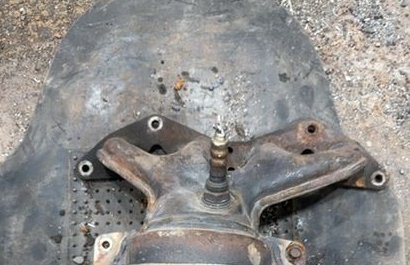
Catalytic converter theft remains one of the most persistent property crimes targeting vehicle owners and fleets across North America. The reason is simple: a single cat can contain measurable quantities of platinum, palladium, and rhodium — precious metals that trade at significant values on global markets. Thieves can be in and out from under a vehicle in under two minutes with a battery-powered saw.
In cities like Chicago, high-density parking, transit hubs, and large vehicle fleets create consistent targets. Illinois has tightened regulations around converter resale in recent years — requiring documentation, seller ID, and in some cases, direct payment restrictions to deter cash transactions that obscure the supply chain. These are the right moves, but they create real compliance overhead for legitimate recyclers and collectors who were never part of the problem.
The market impact runs deeper than most people realize:
- Buyers get cautious. When stolen cats flood a market, buyers tighten purchasing criteria across the board — including for legitimate inventory.
- Prices get suppressed in some channels. Stolen material sometimes moves at below-market rates, which can distort the reference prices less sophisticated buyers use.
- Documentation requirements go up. More paperwork for everyone, stolen or not.
- Trust erodes. Honest sellers get treated like suspects.
If you're running a legitimate operation — auto shop, recycling yard, or independent collector — you're absorbing the cost of someone else's crime every time you sell a load of cats.
---What Rhodium Price Today Has to Do With Theft Rates
Theft volume tracks with precious metal prices, especially rhodium. Rhodium is the most concentrated store of value in most catalytic converters — and it's also the most volatile of the platinum group metals (PGMs). When rhodium price today spikes, theft typically increases within weeks. When prices drop, theft rates tend to moderate — but they never go to zero.
In 2026, rhodium has been trading in a range that continues to make catalytic converters attractive targets. Palladium and platinum prices have also remained relevant enough to make even older, lower-value converters worth stealing. The math for a thief is straightforward: low effort, low risk, decent return. The math for a legitimate seller is more complicated because the downstream effects of theft — compliance costs, buyer hesitation, reputational risk — eat into your margins.
Understanding where rhodium price today sits isn't just useful for pricing — it helps you understand why buyers are behaving the way they are. A buyer who's being flooded with stolen material at discount prices is going to be harder to negotiate with, even if your cats are perfectly documented. That's the hidden tax that theft puts on your business.
Disclaimer: Precious metal prices fluctuate daily and sometimes hourly. Always check current catalytic converter prices before committing to a sale.
---OEM Catalytic Converter Value and Why Documentation Protects It
Not all cats are created equal. OEM catalytic converter value — original equipment manufacturer converters — tends to be higher than aftermarket units because OEMs carry denser precious metal loading from the factory. A well-documented OEM converter from a late-model SUV or truck can represent meaningful value, which is exactly why they get stolen most often. High beds, easy access, high PGM content.
If you're selling OEM converters through legitimate channels, your documentation is your leverage. Serial numbers, VIN references, photos, and purchase records all establish provenance and give a buyer confidence that what they're purchasing isn't stolen goods that are going to create legal problems downstream. Buyers who are serious about compliance will pay more for documented inventory — because it costs them less to process it.
Here's what good documentation looks like for a load of cats going to auction or a vetted buyer:
- Photos of each converter, clearly showing the OEM stamp or serial
- Vehicle VIN tied to each unit where applicable
- Source documentation — repair order, purchase receipt, or yard intake record
- Seller ID and business documentation where required by state law
- A clear packing list or inventory record that matches what's in the shipment
Illinois regulations require many of these elements already. If you're operating in Chicago, you already know that scrap buyers are checking this stuff closely. Lean into it — don't fight it. The sellers who document well are the ones getting top dollar for their OEM catalytic converter value.
Platforms like SMASH are built to support this kind of documented selling. Inventory tools, photo documentation, serial tracking — these aren't just administrative features. They're the infrastructure that turns a load of cats into a credible, competitive listing that serious buyers want to bid on. You can compare scrap metal bids from verified buyers instead of relying on one local contact who sets the price unilaterally.
---How to Sell Catalytic Converters Online and Stay on the Right Side of the Law
Choosing to sell catalytic converters online isn't just a convenience play — in a theft-distorted market, it's a strategic one. Online auction platforms bring multiple vetted buyers into competition for your inventory. That competition is what drives price discovery. One local buyer with one price is a ceiling. Five buyers bidding against each other is a market.
But selling online also requires you to be disciplined about how you present your inventory. The buyers on serious platforms are not looking for mystery boxes. They want to know exactly what PGM-bearing substrate they're getting, in what quantity, and with what documentation. If you're in Chicago or anywhere across Illinois, the documentation trail also protects you from downstream liability — because if a stolen converter ends up in your shipment without your knowledge, you want a paper trail showing where it came from.
For those exploring Chicago scrap metal services, the combination of local regulatory compliance and online auction access is the strongest position you can operate from. You meet the legal bar, and you access a wider buyer pool simultaneously.
SMASH — the SMASH scrap auction platform — is one of the tools that makes this possible. Vetted buyers, competitive auction format, auto-invoicing, no subscription fees. SMASH only wins when the seller wins. That alignment matters when you're trying to get fair value in a market that theft has made more complicated.
If you want to understand what your cats are worth before you sell, get the best catalytic converter price today with a free quote and stop guessing.
---What the Legitimate Market Looks Like Right Now — A Weekly Snapshot
As of the week ending September 20, 2026, the catalytic converter recycling market continues to reward sellers who operate with documentation, volume, and buyer diversity. The theft problem has pushed processors to be more selective — which sounds like bad news, but it's actually an opportunity for legitimate sellers who put in the compliance work.
A few trends worth watching heading into the fall:
- PGM pricing remains a driver. Rhodium, palladium, and platinum values continue to determine converter worth. Monitor rhodium price today weekly — it moves, and your timing matters.
- OEM premiums are holding. Well-documented OEM converters from domestic trucks and SUVs are commanding better spreads than aftermarket units. Know what you have before you price it.
- Buyer scrutiny is elevated. Expect more documentation requests. Build a clean inventory system now — it pays for itself in better offers.
- Online platforms are gaining share. More professional sellers are moving away from single-buyer relationships toward auction-based selling. The shift is accelerating.
- Illinois compliance is non-negotiable. If you're operating in Illinois, documentation isn't optional. Build it into your process, not as an afterthought.
The yards and shops coming out ahead right now are the ones treating their converter inventory like a financial asset — photographed, serialized, sourced, and sold competitively. The ones still doing one call, one price, and hoping for the best are leaving money on the table.
To go deeper on pricing strategy, read catalytic converter pricing guides that break down what different converter types are worth and how to maximize your return.
If you're ready to stop guessing and start selling with real buyer competition behind you, reach out to SMASH and see what your load is worth in an actual market.
---Frequently Asked Questions
Q: How does catalytic converter theft affect the rhodium price today for legitimate sellers?
Theft distorts local markets by introducing stolen material that sometimes sells below fair value, which can suppress reference prices some buyers use. It also creates buyer hesitation and higher compliance costs that eat into your margins — even when your inventory is completely clean. Monitoring rhodium price today from reliable PGM price sources gives you independent data to negotiate from.
Q: Is it legal to sell catalytic converters in Illinois without documentation?
Illinois law requires scrap metal dealers — including catalytic converter buyers — to collect seller identification and maintain transaction records. Requirements vary by county and municipality, and Chicago has its own enforcement environment. Selling without proper documentation can expose both buyer and seller to liability. Always maintain source records, photos, and receipts for your inventory.
Q: What is OEM catalytic converter value compared to aftermarket converters?
OEM converters generally carry higher PGM loading than aftermarket replacements, which means they're worth more at the scrap level. The exact value depends on the specific vehicle, year, and make — a diesel particulate filter from a heavy-duty truck is a very different unit than a small gasoline car cat. Documentation that confirms OEM origin gives buyers confidence and typically supports better pricing.
Q: Can I sell catalytic converters online from Chicago safely?
Yes — selling through vetted online platforms is one of the safer and more profitable options available to legitimate sellers. Platforms like SMASH connect you with verified buyers and handle invoicing, which reduces risk on both sides. You still need to comply with Illinois documentation requirements, but the auction format gives you price competition that a single local buyer can't match.
Q: How do I know if my catalytic converter price list is accurate in 2026?
Static price lists go stale fast because PGM prices move constantly. Rhodium in particular can shift significantly week to week. The most accurate way to value your cats is to get current quotes from competitive buyers — not to rely on a list that may be months out of date. Use platforms that provide real-time buyer competition rather than published schedules that don't reflect today's market.
---The theft problem isn't your fault — but it is your problem to navigate. Document your inventory, sell competitively, and use platforms that bring real buyers to the table. If you're operating in Chicago or anywhere across Illinois, the tools exist to do this right and get paid fairly for legitimate material. When you're ready, get the best catalytic converter price today and put your inventory in front of buyers who will compete for it.
Follow SMASH on LinkedIn for weekly scrap metal market updates, PGM pricing insights, and practical guidance for recyclers and sellers across North America.