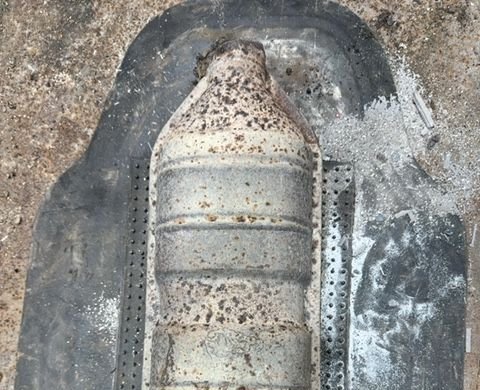
Most people selling scrap catalytic converters treat all cats the same. That's a mistake — and it could cost you real money. Diesel converters and gasoline converters are built differently, priced differently, and processed differently at the refinery. If you're a catalytic converter buyer Philadelphia or a shop owner pulling units off diesel trucks and gas cars, knowing the difference matters before you sell.
This guide breaks down exactly how diesel and gasoline converters differ — in construction, metal content, and scrap value — so you walk into every transaction informed.
What's Actually Inside a Catalytic Converter?
Both diesel and gasoline catalytic converters use a ceramic or metalite substrate coated with platinum group metals (PGMs) — primarily platinum (Pt), palladium (Pd), and rhodium (Rh). These are the metals that carry real market value. The substrate itself is essentially worthless. The PGM loading is everything.
Gasoline converters typically carry a higher ratio of palladium and rhodium. Diesel converters lean heavier on platinum. That distinction matters because platinum, palladium, and rhodium trade independently on the commodities market — and their prices fluctuate constantly. A load that's all gasoline cats performs very differently at assay than a load of diesel units.
Before you sell anything, it pays to check current catalytic converter prices so you understand what the market is doing on any given day.
Diesel Converters: DPF vs. DOC — Not the Same Thing
Here's where a lot of sellers get tripped up. Diesel exhaust systems typically contain two separate components that look similar from the outside but are completely different in scrap value:
- DOC (Diesel Oxidation Catalyst): This is the actual catalytic converter in a diesel system. It contains PGM coating on a ceramic substrate and has real scrap value. Buyers and processors want these.
- DPF (Diesel Particulate Filter): This traps soot particles. It does not contain PGMs in meaningful quantities. Most recyclers pay little to nothing for a straight DPF because there's minimal precious metal to recover.
The DOC and DPF are often bolted together in a single housing, which leads to confusion. A shop pulling a diesel exhaust assembly might hand over both pieces together — and a buyer who doesn't separate them (or price them correctly) either overpays for the DPF or undervalues the DOC. Know what you have before you negotiate.
Some newer diesel systems also include a SCR (Selective Catalytic Reduction) unit, which uses a different chemistry (urea-based, no PGMs). SCRs have no precious metal value and should be identified and separated from your DOC units before selling.
How PGM Loading Differs Between Diesel and Gas Converters
Gasoline engine converters — especially those from passenger cars and light trucks — typically run hotter and cycle through wider temperature swings. That operating profile drives manufacturers to use more palladium and rhodium, which perform better under those conditions. Rhodium in particular is what gives gasoline cats their spike in value when rhodium prices run high.
Diesel engines run at lower exhaust temperatures and operate in a narrower thermal range. Platinum performs well in that environment, which is why diesel DOCs are platinum-heavy. Historically, platinum has traded at a discount to palladium and rhodium in recent years, which means diesel DOCs often fetch less per unit than comparable gasoline converters — even though they can be physically larger.
Size is not the same as value. A massive DOC off a Class 8 truck might look impressive, but if platinum prices are soft, the payout per unit could disappoint sellers who assumed bigger equals better. Weight matters. Metal loading matters. Market timing matters. For a deeper look at how these variables interact, read catalytic converter pricing guides that break down PGM ratios by converter type.
What This Means for Sellers in Philadelphia and Pennsylvania
Philadelphia sits at the center of a dense commercial corridor. Heavy-duty diesel trucks move through this region constantly — I-95, the Turnpike, the port. That means plenty of diesel exhaust systems flow through local shops and yards. If you're operating as a catalytic converter buyer Philadelphia, or selling through one, you're likely handling a significant volume of diesel units.
Pennsylvania also has a strong base of light manufacturing, agriculture, and construction — sectors that run diesel equipment hard. DOCs from heavy equipment, delivery fleets, and long-haul trucks end up at scrap yards across the state. Sorting correctly — DOC vs. DPF vs. SCR — directly impacts your payout. Don't let uninformed sorting cost you margin.
The same principle applies if you're comparing notes with operations in other markets. Whether it's a catalytic converter scrap yard near me in the Philadelphia suburbs, or a buyer processing volume in another city, the fundamentals of PGM chemistry don't change by zip code. What changes is local demand, buyer competition, and the platform you use to sell.
If you're in the area and need help identifying what you have, local Philadelphia scrap metal services can help you sort and price your inventory before you commit to a sale.
OEM vs. Aftermarket Converters — Applies to Both Diesel and Gas
Whether you're selling diesel DOCs or gasoline three-ways, one rule holds across both categories: OEM (original equipment manufacturer) converters almost always pay more than aftermarket units.
Here's why. OEM converters are built to meet emissions standards set by the vehicle manufacturer. They carry higher PGM loading by design. Aftermarket converters — the ones installed as replacement parts — are built to minimum compliance specs. Less platinum, palladium, and rhodium. Less recovery at the refinery. Less money in your pocket.
When you're sorting a load, physically separate OEM from aftermarket before pricing. If you're pulling DOCs off a fleet that ran factory exhaust systems, that's a better lot than aftermarket replacements from a high-mileage vehicle. Buyers who can identify and price OEM units correctly will pay you more — because they know what they're getting at assay.
Platforms like SMASH connect sellers with vetted buyers who understand these distinctions. When buyers compete on a documented, sorted load, price discovery improves. That's how you stop leaving money on the table — not by guessing, but by putting real competition to work on your inventory. Find the best price for your scrap on SMASH and see what competitive bidding does for your payout.
How to Get the Best Scrap Value From Your Diesel and Gas Converters
Whether you're a one-time seller with a few units or a shop clearing inventory every month, the same principles drive better outcomes:
- Sort before you sell. Separate DOCs from DPFs. Separate OEM from aftermarket. Keep gasoline cats separate from diesel. Mixed loads are harder to price and often get averaged down.
- Document what you have. Serial numbers, photos, vehicle source if you know it. Better documentation gives buyers more confidence — and more confidence translates to better offers.
- Understand market timing. PGM prices move. Rhodium and palladium volatility over the past several years has shown how much a timing decision can matter. Check current rates before committing to a price.
- Use competition. One buyer, one phone call, one number is the old way. Platforms built around catalytic converter recycling and auction-style price discovery give you visibility into what the market actually thinks your load is worth.
- Don't confuse volume for value. A large DPF-heavy load isn't worth the same as a sorted, documented DOC load of similar weight. Sort first. Sell second.
SMASH is built around exactly this process — vetted buyers, auction-style competition, documented inventory, and no subscription fees. You only pay when you sell. That alignment matters when you're trying to get the best catalytic converter price today on every load, not just the occasional lucky deal.
Disclaimer: Catalytic converter prices fluctuate based on live PGM spot prices for platinum, palladium, and rhodium. Always verify current market rates before finalizing any sale. The information in this article reflects general market conditions as of September 2026 and is not a guarantee of specific pricing.
Frequently Asked Questions
Q: Does a DPF have any scrap value?
In most cases, a standalone DPF (Diesel Particulate Filter) has minimal scrap value because it contains little to no platinum group metals. The DOC (Diesel Oxidation Catalyst) in the same diesel exhaust system is the unit with PGM content and real market value. Always separate them before selling.
Q: Why do gasoline catalytic converters often pay more than diesel ones?
Gasoline converters typically carry higher loadings of palladium and rhodium, which have historically traded at a premium over platinum — the dominant PGM in diesel DOCs. That said, PGM prices fluctuate, and the gap between diesel and gas cat values changes with the market.
Q: Where can I find a catalytic converter buyer in Philadelphia?
Philadelphia has a number of scrap yards and metal recyclers that buy catalytic converters. For the best outcome, work with a buyer or platform that prices based on actual PGM content — not flat rates. Competitive bidding platforms like SMASH can help you see what multiple buyers are willing to pay for your load.
Q: How do I know if my converter is OEM or aftermarket?
OEM converters are installed at the factory and usually have the vehicle manufacturer's markings or specific serial numbers traceable to the original vehicle. Aftermarket units are replacement parts and often have third-party brand markings. When in doubt, a knowledgeable buyer or catalytic converter recycling service can help identify the unit from photos and serial numbers.
Q: Is catalytic converter recycling available near me in the Philadelphia area?
Yes — the Philadelphia metro area and broader Pennsylvania region have active scrap recycling infrastructure. For the most competitive pricing on catalytic converter recycling in Philadelphia, compare offers and use platforms that create buyer competition rather than locking you into a single bid.
Ready to stop guessing what your converters are worth? Whether you're clearing a few units or moving a sorted load of diesel DOCs, getting the best price starts with finding the right buyer. Head to best-catalytic-converter-price.com to get a free quote and put real market competition to work on your inventory.
Follow SMASH on LinkedIn for ongoing scrap metal market updates, PGM price insights, and industry news that helps you sell smarter.