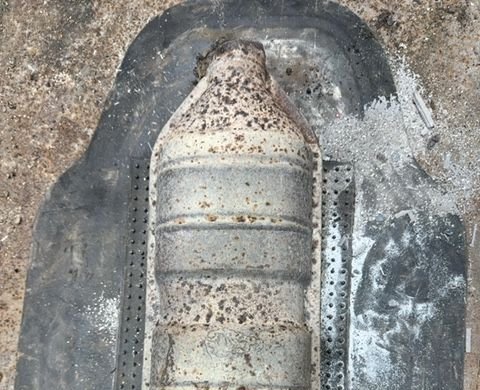
Most sellers assume a catalytic converter is a catalytic converter — pull it off, sell it, cash out. But if you're sitting on a pile of diesel units and getting quoted gasoline prices, you're leaving real money on the table. Diesel converters — DPFs and DOCs — are a completely different animal, and understanding that difference is the first step to getting accurate scrap catalytic converter prices in Seattle.
This isn't a small distinction. The metals inside differ. The size differs. The buyer pool differs. And if you're selling through one buyer who handles everything the same way, you're almost certainly not getting market value on your diesel units.
Let's break down exactly how these converter types differ — and why that matters when you're trying to get the best catalytic converter price today.
Gasoline vs. Diesel Converters: What's Actually Inside
A standard gasoline three-way catalytic converter runs on platinum, palladium, and rhodium — the three platinum group metals (PGMs) that drive nearly all catalytic converter value. These metals convert hydrocarbons, carbon monoxide, and nitrogen oxides into less harmful emissions. The washcoat — the ceramic honeycomb coating inside — carries the PGM load, and that's what recyclers are actually buying when they quote your cat.
Diesel converters are built to handle a fundamentally different combustion profile. Diesel engines run lean, which means excess oxygen and lower combustion temperatures in certain conditions. They produce far more particulate matter — soot — and different NOx profiles than gasoline engines. That's why diesel exhaust systems use a two-stage approach:
- DOC (Diesel Oxidation Catalyst): Handles CO and hydrocarbon oxidation. Typically contains platinum and palladium — but often in different ratios than gasoline units. Some DOCs are platinum-heavy with minimal palladium.
- DPF (Diesel Particulate Filter): Physically traps soot particles and burns them off during regeneration cycles. DPFs may contain some PGMs to assist combustion during regeneration, but they are not traditional three-way catalysts. Some DPFs contain very low PGM loading or none at all depending on the application.
This is critical: a DPF is not the same as a DOC, and neither is the same as a gasoline cat. Treating them the same at the scale is a mistake that costs sellers every single time.
Why Cat Converter Prices Seattle Differ Between Diesel and Gas Units
PGM content drives price. Period. And because diesel and gasoline converters carry different metals in different concentrations, their scrap values diverge — sometimes dramatically.
Gasoline converters, especially OEM units from late-model vehicles, tend to carry higher rhodium loading. Rhodium has historically been one of the most valuable PGMs by weight, which is why a quality OEM gasoline cat from a Toyota or Honda can outprice a diesel unit of twice the physical size. When you're looking at cat converter prices in Seattle, a small gasoline OEM unit from a late-model vehicle may fetch significantly more than a large DPF from a commercial diesel truck.
DOCs, on the other hand, can carry strong platinum value — especially heavy-duty units from Class 6-8 trucks. Fleet operators in Washington state running diesel pickups, box trucks, and semi-trailers generate a consistent stream of these units. If your shop or yard services commercial diesel equipment, your DOC inventory can be genuinely valuable — but only if you're working with buyers who understand diesel converter metallurgy and can quote accordingly.
DPFs are where sellers get burned most often. Because DPFs physically trap particulate, they can appear substantial — heavy, large units that look like they should be worth a lot. Some are. Many aren't. A heavily loaded DPF that hasn't been properly regenerated may be mostly soot weight, not PGM weight. Recyclers who process DPFs properly — sampling the material, assaying it accurately — will give you a very different number than a buyer making a guess based on visual inspection alone.
The lesson: get multiple quotes, and make sure your buyers understand what they're looking at. That's exactly why platforms like SMASH exist — to create actual competition across informed buyers, not just one local offer based on a gut call.
How Seattle Yards and Auto Shops Are Navigating the Diesel Converter Market
Seattle's commercial and industrial base generates a meaningful volume of diesel equipment. Ports, construction fleets, delivery operations, transit maintenance — Washington state has a robust diesel infrastructure, which means a consistent supply of DPFs and DOCs flowing through salvage yards, fleet shops, and independent mechanics across the region.
The problem is that many sellers in Seattle treat all converter inventory the same. They call one buyer, get one number, accept the check. When you're dealing in volume — multiple diesel units a month from fleet work — that approach leaves compounding losses on the table over time.
The sellers getting the best outcomes share a few common habits:
- They separate their inventory by type. Gasoline cats, DOCs, and DPFs are quoted and sold separately — not lumped as "misc converters."
- They photograph and document everything. Serial numbers, manufacturer markings, vehicle application data — all of it. Buyers price with more confidence when they can identify the exact unit. Good documentation means fewer lowball offers based on uncertainty.
- They use competitive channels. Reaching multiple catalytic converter buyers in Washington at once — through an auction format or bid platform — produces better price discovery than a single quote from a familiar buyer.
- They don't clean DPFs before selling. Over-cleaning a DPF can actually reduce recoverable PGM content. Let the professionals process it correctly.
If you're running a shop or yard near Seattle and you're not already doing all four of these things, you're leaving money behind on every load. You can read catalytic converter pricing guides to get sharper on the specifics before your next sale.
Catalytic Converter Auction: Why Competition Matters More for Diesel Units
Here's an uncomfortable truth: diesel converter valuation is harder than gasoline converter valuation. The range of possible values is wider. A DOC from a Cummins-powered heavy truck and a DOC from a light diesel passenger car are not the same, even if they look similar in size. Buyers who specialize know this. Generalist buyers often don't — or they price conservatively to protect their margin.
That conservative pricing is fine for the buyer. It's a problem for you.
A catalytic converter auction format changes that dynamic. When multiple vetted buyers compete on the same load, no single buyer can low-ball without losing the deal. Buyers who specialize in diesel units — DOC/DPF processors with actual assay capability — can bid accurately because they know what they're getting. That specialization translates into better offers for sellers.
SMASH uses exactly this model. Rather than routing your diesel converter inventory to a single local contact, SMASH puts it in front of a vetted network of buyers across North America. You get documented bids. You see the competition. You make an informed decision. No subscription fee, no guessing. SMASH only earns when you sell — which means the incentive is always to find you the best offer available. Visit smashscrap.com to see how the platform works for converter sellers.
For Seattle-area sellers managing mixed inventory — gasoline cats, DOCs, DPFs — having access to a platform that can route each unit type to the right buyers is genuinely useful. Not every buyer is the right buyer for every converter. That's the whole point.
How to Accurately Assess Your Diesel Converter Inventory Before Selling
You don't need to be a metallurgist to sell diesel converters intelligently. You need a system. Here's what works for shops and yards generating regular diesel converter volume:
Step 1 — Identify and separate. Pull the vehicle application data. Is it a DOC or a DPF? What engine was it on? What year and make? Commercial diesel or light-duty? This information directly affects value.
Step 2 — Photograph everything. Serial numbers on diesel converters are often manufacturer-specific and can help buyers identify exact PGM loading for known unit types. A clear photo of the serial stamp is worth more than a description.
Step 3 — Weigh accurately. Buyers quote by weight and PGM content. Know the actual weight of your units — don't estimate. A scale discrepancy in your favor costs you credibility. One against you costs you money.
Step 4 — Don't mix load types. Selling a mixed load of gasoline cats, DOCs, and DPFs together typically means the buyer averages down. Break them out. Sell to the right buyers for each type.
Step 5 — Get competitive bids. This is where checking current catalytic converter prices and using a competitive platform pays off most clearly. One quote is a data point. Multiple quotes from vetted buyers is actual market discovery.
If you're in the Seattle area and want local support alongside a competitive pricing channel, explore Seattle scrap metal services to understand your options.
Frequently Asked Questions
Q: Are DPFs worth selling as scrap in Seattle?
Yes, but the value varies significantly depending on the unit. Some DPFs from heavy commercial applications carry meaningful PGM content and can fetch solid prices from the right buyer. Others — especially from light-duty passenger vehicles — carry lower PGM loading and are worth less. Never assume based on size alone. Get the unit properly identified and quoted by buyers who specialize in diesel converters.
Q: What's the difference between a DOC and a DPF when it comes to scrap value?
A DOC (Diesel Oxidation Catalyst) typically contains platinum and palladium in the washcoat and is more similar in structure to a traditional gasoline catalytic converter. DPFs physically trap soot and may contain lower or more variable PGM content depending on the design and manufacturer. DOCs generally quote more consistently; DPFs require more careful identification and processing to determine accurate value.
Q: How do I find catalytic converter buyers in Washington who handle diesel units?
Start by separating your diesel inventory from your gasoline converter stock and reaching out to buyers who specifically mention DOC and DPF purchasing. Better yet, use a competitive platform like SMASH that routes your inventory to vetted buyers across North America — including those who specialize in diesel converter processing. More competition means better price discovery on unit types that have a wide valuation range.
Q: Do scrap catalytic converter prices in Seattle differ from other U.S. markets?
The underlying PGM spot prices are global — platinum, palladium, and rhodium trade on international markets, so the base price is consistent. What varies is local buyer competition, processing fees, and logistics costs. In Seattle, access to multiple buyers — including those outside the immediate region — is the most reliable way to ensure you're getting market-rate pricing rather than a single local offer.
Q: Should I clean my DPF before selling it as scrap?
No. Avoid cleaning, burning, or chemically treating a DPF before selling it for scrap. The material inside — including any PGM content — needs to be processed correctly by the buyer's facility to recover maximum value. Improper cleaning can actually reduce recoverable metal content and lower your final payout. Sell it as-is and let the processor handle it.
---
Diesel converter inventory can be genuinely valuable — or genuinely frustrating — depending entirely on how you approach the sale. Get your units properly identified, document everything, and use competitive channels to find buyers who actually understand what you're selling. If you're ready to stop guessing on diesel converter value, get the best price for your catalytic converter and get a free quote at best-catalytic-converter-price.com. Market-based pricing beats a single phone call every time.
Disclaimer: Catalytic converter scrap prices fluctuate based on PGM spot markets and buyer demand. Always check current rates before finalizing any sale.
Stay sharp on scrap metal market movements — follow SMASH on LinkedIn for regular industry updates, pricing insights, and converter market news.
```