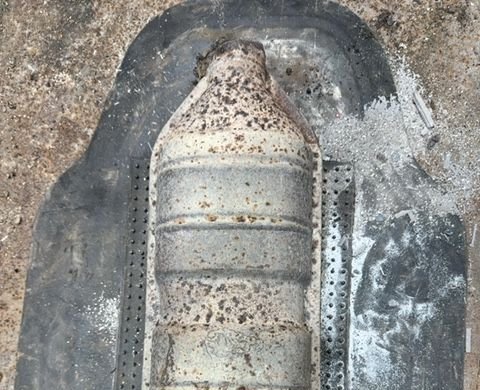
Rhodium, Palladium, and Platinum: What Actually Drives Catalytic Converter Value
Most people selling a scrap catalytic converter focus on one number: the palladium price today. That makes sense — palladium gets the headlines. But if you're leaving rhodium out of the equation, you're not seeing the full picture. Rhodium is, gram for gram, the most valuable precious metal inside a catalytic converter. Understanding why changes how you think about what you're holding.
This guide breaks down the three platinum group metals (PGMs) found in catalytic converters, explains why rhodium commands such a premium, and shows you how to stop guessing at value and start getting real price discovery on what your cats are actually worth.
The Three Precious Metals Inside Every Catalytic Converter
A catalytic converter doesn't run on one metal — it runs on a precise blend of three. Each does a different chemical job inside the substrate, and each carries its own market value. Here's what you're actually working with:
- Platinum (Pt): Handles oxidation reactions. Converts carbon monoxide and unburned hydrocarbons into carbon dioxide and water. Common in diesel converters. Historically the most recognized PGM in scrap circles.
- Palladium (Pd): The dominant metal in most modern gasoline converters. Highly effective at high temperatures and became the go-to metal as emissions standards tightened through the 2010s. The palladium price today is a daily benchmark for the scrap cat market.
- Rhodium (Rh): The smallest quantity by weight, but the most critical by function — and by value. Rhodium handles NOx (nitrogen oxide) reduction. Without it, converters can't meet modern emissions requirements. There's no practical substitute in current production converters.
Each OEM converter is loaded with a different ratio of these metals depending on the engine type, displacement, and the emissions standard it was built to meet. A Ford F-150 cat, a Toyota Prius converter, and a BMW diesel unit will have dramatically different PGM content — which is exactly why check current catalytic converter prices before you accept any offer. What worked as a rule of thumb two years ago may not apply today.
Why Rhodium Is the Most Valuable Metal in a Catalytic Converter
Rhodium's value comes down to three factors: scarcity, demand, and replaceability — or rather, the lack of it.
Global rhodium production is tiny. The vast majority comes from South Africa, with meaningful output from Russia and Zimbabwe. Annual mine supply runs in the low tens of thousands of kilograms globally — a fraction of what the auto industry needs. Unlike palladium, where above-ground stockpiles and recycling supply provide some market cushion, rhodium supply is structurally tight. When demand climbs, prices spike hard and fast. When demand softens, they can drop just as sharply. The rhodium market moves with a volatility that makes even the palladium price today look stable by comparison.
The demand side is driven almost entirely by catalytic converters. Unlike platinum or palladium, which have broader industrial and investment applications, rhodium's use case is narrowly tied to emissions control. As emissions regulations tightened across North America, Europe, and Asia through the early 2020s, automakers had to load more rhodium into their converters to meet stricter NOx standards. More regulation equals more rhodium demand equals higher prices. That dynamic isn't going away in 2026 — it's baked into the regulatory environment now.
Finally, there's no drop-in replacement for rhodium at scale. Automakers have been researching alternatives for decades. So far, nothing matches rhodium's performance on NOx reduction at the temperatures and throughput modern engines demand. That inelastic demand, combined with constrained supply, is what keeps rhodium at the top of the PGM value ladder.
How Rhodium Content Affects Scrap Catalytic Converter Prices
When a recycler or processor quotes you a price on a cat, they're running a calculation based on the assay — the actual precious metal content of that unit. Rhodium, even in small quantities, can represent a disproportionate share of a converter's total value because of its per-gram price premium over palladium and platinum.
Consider how this plays out in practice:
- A high-rhodium converter from a performance or luxury vehicle might yield a few grams of Rh, but those grams contribute heavily to the final payout.
- A converter with moderate palladium and low rhodium content may look similar on the outside but be worth significantly less.
- Diesel converters, which typically run higher platinum and lower rhodium, have a different value profile entirely compared to gasoline converters.
This is why visual identification alone doesn't cut it. The read catalytic converter pricing guides that explain how VIN lookups and serial number tracking connect specific units to their PGM content — that's the level of detail that separates informed sellers from people who just accept the first number they're quoted.
For auto shops and scrap collectors working in San Diego, the volume of cats coming through a busy week can represent real money. Getting each unit's value right matters. Platforms like SMASH help sellers document inventory accurately so buyers are bidding on verified, described material — not guessing at it.
Palladium Price Today and How It Fits Into the Bigger Picture
The palladium price today is the number most sellers track because palladium shows up in virtually every modern gasoline converter in meaningful quantities. It's the most liquid PGM benchmark in the scrap cat market — easier to track, more widely reported, and a reasonable proxy for market direction.
But tracking palladium alone gives you an incomplete read. Here's why:
- Rhodium moves independently. Rhodium and palladium don't always move in the same direction or at the same pace. A palladium rally doesn't guarantee a rhodium rally. Your total payout depends on both.
- Platinum plays a role in diesel units. If you're pulling diesel cats — increasingly common in California's commercial fleet market — platinum content matters as much as palladium.
- PGM ratios vary by make and model. Two cats sitting side by side on a shelf might have very different rhodium-to-palladium ratios. The palladium price today tells you nothing about that split.
The takeaway: use the palladium price today as your market pulse check, but don't let it be the only number you're watching. A proper quote accounts for all three metals based on the actual content of the unit you're selling.
How to Get Real Price Discovery on Your Cats in San Diego
San Diego is one of California's most active markets for scrap catalytic converters. The region's density of auto shops, fleet operators, and salvage operations generates consistent volume. But volume alone doesn't mean sellers are getting market-based prices. In a single-buyer, one-phone-call transaction, you're accepting someone else's math with no way to verify it.
That's the core problem with the old way of selling cats. One buyer, one price, no competition. You don't know if the number reflects current rhodium values, current palladium prices, or just what that buyer feels like paying today.
The better approach:
- Document what you have. Photograph each unit. Record serial numbers. Use a VIN lookup where applicable. Documented inventory gives buyers more confidence and reduces the lowball risk.
- Get multiple buyers competing. Competition can help reveal the market. One buyer gives you one data point. Multiple vetted buyers give you actual price discovery.
- Use a platform built for this. Find the best price for your scrap on SMASH — a B2B scrap metal marketplace that brings vetted buyers to your inventory through an auction format, not a phone call and a handshake.
For yards and shops using San Diego scrap metal services, having a structured, documented process for moving catalytic converter inventory is increasingly the standard — not the exception. SMASH supports that with tools for inventory management, photo documentation, and auto-invoicing so the paperwork doesn't slow down the deal.
If you're ready to stop guessing and start selling on your terms, get the best catalytic converter price today by putting your inventory in front of buyers who are actually competing for it.
Disclaimer: Precious metal prices — including rhodium, palladium, and platinum — fluctuate daily based on global market conditions. All scrap catalytic converter prices referenced are general in nature. Always check current rates before accepting any offer.
Frequently Asked Questions
Q: Why is rhodium more valuable than palladium in catalytic converters?
Rhodium is rarer, harder to source, and has no practical substitute for NOx reduction in catalytic converters. Global mine supply is extremely limited compared to demand from the auto industry. That combination of constrained supply and inelastic demand keeps rhodium's per-gram value well above palladium, even though palladium typically appears in higher quantities inside a converter.
Q: Does the palladium price today affect what I get paid for my scrap catalytic converter?
Yes — but it's one part of the equation, not the whole answer. Your payout reflects the combined value of platinum, palladium, and rhodium in that specific unit, weighted by current market prices for each metal. Tracking only the palladium price today gives you a directional read on the market, but not an accurate picture of a specific converter's value.
Q: How do I know how much rhodium is in my catalytic converter?
Rhodium content varies by make, model, engine type, and manufacturer. Serial number tracking and VIN lookup tools can connect a specific converter to its known PGM content profile. This is why documenting your cats before selling — rather than accepting a visual eyeball quote — tends to result in more accurate offers from buyers.
Q: Where can I sell scrap catalytic converters in San Diego?
Auto shops, scrap collectors, and recycling yards in San Diego have options ranging from local scrap dealers to online platforms. For sellers looking for competitive pricing based on actual buyer demand, a B2B scrap metal marketplace like SMASH connects vetted buyers to documented inventory through an auction format — giving you more than one number to evaluate.
Q: Do California emissions regulations affect catalytic converter scrap values?
California's strict emissions standards have historically driven higher PGM loading in converters sold in the state — particularly around NOx reduction, where rhodium is critical. Vehicles built to California spec may carry higher rhodium content than federal-spec equivalents, which can affect scrap value. Always get your units properly identified before accepting a price.
---Ready to stop leaving money on the table? Whether you're clearing a shelf full of cats or moving a consistent monthly volume, getting real price discovery starts with documented inventory and competitive buyers. Get the best price for your catalytic converter — get a free quote at best-catalytic-converter-price.com.
Follow SMASH on LinkedIn for scrap metal market updates, PGM pricing trends, and practical insights for recyclers and buyers across North America.