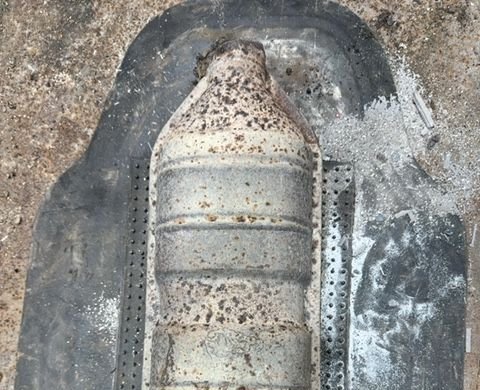
From Exhaust Pipe to Precious Metal: The Full Lifecycle of a Catalytic Converter
Most people have no idea that the catalytic converter bolted under their vehicle contains metals more valuable per ounce than gold. Rhodium price today can swing hundreds of dollars in a single week — and that volatility directly impacts what your scrap cat is worth when it finally comes off the vehicle. If you're sitting on a pile of converters in St. Louis and wondering what happens to them after you sell, this guide walks you through the entire lifecycle — from the factory floor to precious metal recovery.
Understanding this process isn't just interesting. It changes how you sell. When you know what a buyer is actually paying for, you stop guessing and start negotiating from a position of knowledge.
Stage 1 — How a Catalytic Converter Gets Built (and Why It's So Valuable)
Automotive manufacturers source platinum group metals (PGMs) — platinum, palladium, and rhodium — from mines primarily located in South Africa and Russia. These metals get embedded into a ceramic or metallic substrate inside the converter housing. That substrate is the honeycomb structure you see if you crack open a cat. The PGMs coat the surface of that honeycomb, creating a chemical reaction zone that converts toxic exhaust gases into less harmful emissions.
OEM catalytic converters tend to carry higher PGM loadings than aftermarket units. That's why OEM catalytic converter value is consistently higher at the scrap level. An OEM unit from a Toyota Prius or a Ford F-250 diesel can be worth multiples of a generic aftermarket replacement. When a buyer quotes you on a converter, they're not guessing — they're working from assay data and a catalytic converter price list by number built from thousands of prior samples. If you don't have access to that same data, you're negotiating blind.
- Platinum: Used in diesel converters primarily; helps oxidize carbon monoxide and hydrocarbons
- Palladium: Dominant in gasoline converters; handles hydrocarbon and CO oxidation
- Rhodium: Small amounts, massive impact — reduces nitrogen oxides (NOx); the rarest and often most valuable PGM per gram
Stage 2 — Years of Service, Then End of Life
A catalytic converter typically lasts 100,000 to 150,000 miles under normal driving conditions. After that, the substrate starts to degrade. It can crack internally — called a "rattler" — or get contaminated by oil or coolant leaks, which kills the catalyst coating. At that point, the converter stops doing its job, and the vehicle starts failing emissions tests.
In Missouri, emissions testing requirements apply to vehicles in certain counties, including the St. Louis metropolitan area. That creates a steady stream of converters coming off vehicles every year — from personal cars, fleet vehicles, and auto shops doing exhaust work. The scrap value doesn't disappear when the converter stops working catalytically. The PGMs are still locked in that substrate, still recoverable, and still worth real money.
This is where the lifecycle gets interesting for scrap sellers. The moment that converter comes off the vehicle, you've got a decision to make: sell it fast to the first buyer who calls, or find out what the market actually says it's worth. The first option is easy. The second option is how you leave money on the table less often.
Stage 3 — What Happens During the Scrap and Collection Phase
Once a converter is pulled, it enters the secondary market. Auto shops, scrap yards, dismantlers, and individual collectors in St. Louis and across Missouri accumulate loads — sometimes dozens or hundreds of units — before selling. The challenge at this stage is identification and documentation.
Converters get their value assessed based on make, model, serial number, and substrate condition. A beat-up, rattled-out substrate is worth less than an intact one, even if they came off the same vehicle. Buyers who work from a catalytic converter price list by number can quote quickly and accurately — but only if you can tell them exactly what you have.
This is where documentation matters. Platforms like SMASH have built inventory tools specifically to handle this. You log each unit with photos, VIN data where applicable, and serial tracking. That documentation creates buyer confidence. A buyer who can see exactly what's in a load will bid more aggressively than one who's pricing in uncertainty. Check current catalytic converter prices before you commit to any offer — knowing the baseline puts you in control of the conversation.
- Photograph each unit clearly — show the serial number, both ends, and substrate condition
- Separate OEM from aftermarket — they price differently
- Note any rattlers or physical damage — hiding this kills trust and kills future deals
- Group by vehicle type where possible (diesel vs. gasoline matters at the assay stage)
Stage 4 — The Auction and Price Discovery Phase
Here's where the old way breaks down completely. The traditional model: call your one buyer, accept their number, and move on. That price might be fair. It might not. You have no way to know without comparison.
The SMASH model flips that. When you sell your scrap metal on the SMASH marketplace, your documented load goes in front of multiple vetted buyers simultaneously. They compete. That competition is what drives price discovery. More buyers bidding on the same load means the market sets the price — not a single buyer's margin target.
This matters even more when rhodium price today is elevated. PGM markets move fast. A load worth a certain amount on Monday can be worth meaningfully more or less by Friday. When you have multiple buyers actively competing for your load, you're more likely to capture the market at its current level rather than getting locked into a quote that was set two days ago. Get the best catalytic converter price today by understanding what buyers are actually willing to pay right now — not what they were paying last quarter.
For St. Louis sellers specifically, access to a national buyer network through SMASH scrap removes a geographic limitation. You're not restricted to what local buyers are paying. A buyer in a different region might be paying more for the specific units you have. Read catalytic converter pricing guides to understand how regional price differences work and how to take advantage of them.
Stage 5 — Smelting, Assay, and Precious Metal Recovery
After purchase, converters move to a processor or smelter. The substrate gets mechanically separated from the metal housing — the "can" — and the ceramic or metallic material gets crushed into a fine powder called "cat fines" or "black powder." This powder is then blended into large batches and sent to a smelter.
At the smelter, the material goes through a high-temperature process that separates the PGMs from the base material. The recovered metals are then assayed — chemically tested to determine the exact concentration of platinum, palladium, and rhodium present. That assay result is what determines the final settlement value if you're selling on a toll-refining basis.
For most scrap sellers in Missouri, you won't interact with this stage directly. You'll sell to a buyer who handles the processing downstream. But understanding it explains why substrate condition matters so much. Intact, uncontaminated substrate yields better assay results. A rattled or oil-soaked unit might have the same shell as an intact one, but the PGM recovery will be lower — and that's reflected in what buyers will pay upfront.
It also explains why sell catalytic converters Missouri sellers need to understand the difference between outright purchase pricing and toll-refining arrangements. Both have their place depending on your volume and risk tolerance. St. Louis scrap metal services can help you figure out which approach fits your situation.
Stage 6 — PGM Re-entry Into the Supply Chain
Recovered platinum, palladium, and rhodium re-enter the global commodity markets. They get sold to refiners and manufacturers who use them in new catalytic converters, electronics, medical devices, and industrial applications. The recycling loop closes. Secondary PGMs now account for a significant share of total supply — which means scrap sellers are genuinely feeding an industrial pipeline, not just offloading junk.
This is worth understanding if you want to sell scrap metal online strategically. The market for recovered PGMs is global and liquid. When supply tightens — from mining disruptions, geopolitical issues, or surging auto production — prices spike. When supply loosens, prices soften. Tracking where rhodium price today sits relative to its recent range tells you whether you're in a strong selling window or whether holding your load briefly might make sense.
No one can predict PGM prices with certainty. But sellers who understand the supply chain make better decisions than sellers who just react to whatever their local buyer tells them.
Frequently Asked Questions
Q: What drives rhodium price today and how does it affect my scrap catalytic converter value?
Rhodium is the rarest of the platinum group metals, and its price is driven by tight supply and strong demand from emissions regulations globally. Even a small shift in mining output or automotive production can move rhodium significantly. Because converters contain rhodium (even in small amounts), a spike in rhodium price today directly increases what buyers will pay for your scrap cats.
Q: How do I find out my catalytic converter's value before selling?
The most reliable starting point is the serial number stamped on the converter body. Buyers use catalytic converter price lists keyed to those serial numbers and current PGM spot prices. You can also use platforms like SMASH to get competitive quotes from multiple vetted buyers rather than relying on a single offer. Prices fluctuate daily — always check current rates before committing to a sale.
Q: Are OEM catalytic converters worth more than aftermarket units at scrap?
Generally, yes. OEM catalytic converter value tends to be higher because original equipment manufacturers load more PGMs into their substrates to meet stricter emissions standards. Aftermarket units are designed to be cheaper to produce, which often means lower PGM content. Always separate OEM from aftermarket before getting quotes — mixing them can bring your average price down.
Q: Can I sell catalytic converters in Missouri without a title or documentation?
Missouri, like most states, has laws regulating the sale of catalytic converters to prevent theft. Requirements vary but typically include proof of ownership, a valid ID, and in some cases vehicle documentation. Check current Missouri state regulations and local St. Louis requirements before selling. Reputable buyers will ask for this documentation — that's a sign they're operating legitimately.
Q: What's the difference between selling cats locally in St. Louis versus selling online through a platform like SMASH?
Selling locally is fast but limits your buyer pool. If the one or two buyers near you are having a slow week or running low margins, your price suffers. Selling through a platform like SMASH exposes your load to a national network of vetted buyers who compete against each other. More competition typically means better price discovery — especially when PGM markets are active.
If you've made it this far, you understand that your catalytic converter isn't just a piece of exhaust hardware — it's a small vault of recoverable precious metals with real commodity value. The key is making sure you capture as much of that value as possible when you sell. Get the best catalytic converter price today — a free quote costs you nothing, and knowing your load's real market value before you sell costs you even less.
Follow SMASH on LinkedIn for ongoing scrap metal market updates, PGM price insights, and industry news that helps you sell smarter.
Disclaimer: Catalytic converter prices fluctuate based on daily PGM spot prices for platinum, palladium, and rhodium. All pricing references in this article are general in nature. Always verify current rates before making a sell decision.