Why Recycling Catalytic Converters the Right Way Actually Matters
Most people selling a scrap catalytic converter are thinking about one thing: catalytic converter scrap value. That's fair. Platinum, palladium, and rhodium are serious money. But there's a bigger picture here that's worth understanding — because how your cat gets processed after the sale has real environmental consequences. And knowing that can help you make smarter decisions about who you sell to.
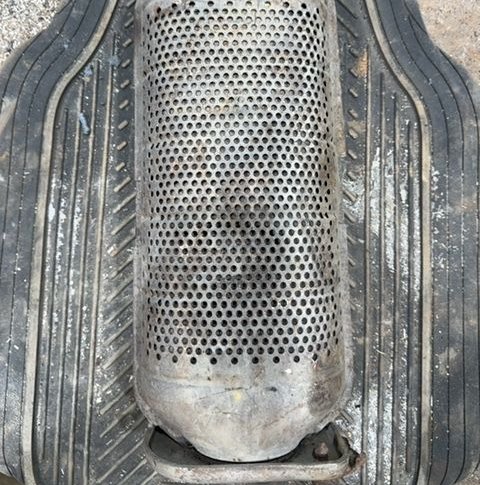
Catalytic converters aren't just metal shells. Inside every converter sits a ceramic or metalite substrate coated with platinum group metals (PGMs) — platinum, palladium, and rhodium. These metals are rare, expensive, and genuinely difficult to extract responsibly. When converters end up with unvetted processors, those PGMs often get extracted through processes that produce toxic byproducts, leak into soil and water, or simply get lost. That's a waste of valuable material and a real environmental problem.
What's Actually Inside a Catalytic Converter — and Why It's Worth Recovering
Before we get into the environmental side, it helps to understand what you're dealing with. A typical OEM converter contains anywhere from 3 to 7 grams of PGMs, depending on the make, model, and year of the vehicle. Aftermarket or "direct fit" converters contain far less. The difference in cat converter value between an OEM piece off a late-model Toyota Tacoma versus a cheap aftermarket replacement can be dramatic.
Here's why this matters environmentally: palladium and rhodium mining is among the most resource-intensive extraction processes on the planet. Mining new platinum group metals requires moving enormous quantities of rock, uses substantial amounts of water, and generates significant carbon output. Recovering PGMs from used catalytic converters — secondary refining — is dramatically less resource-intensive than primary mining. It's estimated that recycling PGMs uses a fraction of the energy required to mine them from ore, though exact figures vary by facility and process.
- Platinum: Used in diesel converters and some gasoline applications. Long-term demand driven by fuel cell technology.
- Palladium: Dominant in gasoline converter applications. The palladium price today continues to reflect tight supply from primary mining sources.
- Rhodium: The rarest and most volatile of the three. Even a few grams recovered from a single load can carry significant value.
When these metals get properly recovered through a certified refinery, they re-enter the supply chain. That reduces demand for newly mined material. That's a real environmental benefit — not a marketing talking point.
The Problem With Unvetted Buyers and Back-Lot Processing
Here's where the environmental story gets uncomfortable. The scrap catalytic converter market has a gray zone. Some buyers — particularly those operating without proper licensing or refinery relationships — process converters in ways that are neither accurate nor clean. This matters for two reasons.
First, improperly processed converters mean PGMs are often underrecovered or lost entirely. That material doesn't make it back into the supply chain. More primary mining fills the gap. Second, improper processing — including crushing, burning, or using uncontrolled chemical extraction — can release hazardous compounds. The ceramic substrate inside a converter contains materials that should be handled by licensed processors, not improvised operations. Yards in Savannah and across Georgia that work with certified downstream partners avoid this entirely. Working with vetted buyers isn't just good for your bottom line. It's the responsible call.
If you're in the Savannah area and regularly accumulating cats from auto shop teardowns or fleet vehicle turnover, the buyer you choose matters. A platform that connects you with vetted, licensed buyers — rather than whoever happens to call first — is the difference between responsible recycling and rolling the dice.
How Competitive Auctions Support Responsible Recycling
There's a direct link between price transparency and environmental responsibility that doesn't get talked about enough. When you sell scrap metal online through a competitive auction format, you're creating real price discovery based on documented inventory. That means your cats get properly identified — by VIN lookup, serial tracking, and photo documentation — before they're bid on.
Proper documentation forces accountability. A buyer bidding on a documented load of OEM converters from a Savannah auto dismantler knows exactly what they're getting. They're not guessing at the substrate type or PGM content. That accuracy makes it worth their while to process those converters correctly through a certified refinery, because they've paid a price that reflects actual value — not a lowball offer that only pencils out if corners get cut downstream.
That's exactly what the SMASH scrap metal auction marketplace is built around. Vetted buyers, documented inventory, competitive bids. When buyers compete for a documented load, they're pricing in the actual PGM content — not hoping to make margin by skimping on the refining process. That's better for the seller and better for the environment.
Want to understand how pricing works before you list? Read catalytic converter pricing guides to get up to speed on what drives value in your specific units.
What Proper Catalytic Converter Recycling Actually Looks Like
Not every yard knows what happens to their cats after the sale. That's a problem. Here's what a responsible recycling chain looks like from the yard's perspective — and what you should be asking about.
- Identification and grading: Each converter gets identified by serial number or VIN. Grade, substrate type, and condition get documented. This step protects you from lowball offers based on misidentification.
- Competitive pricing: A documented load goes to market through a vetted buyer network. Multiple buyers bid. Price reflects actual PGM content, not one buyer's margin.
- Licensed downstream processing: The buyer sends material to a certified refinery. Substrate material is processed to recover PGMs. Hazardous byproducts are handled per regulatory standards.
- PGM re-entry into supply chain: Recovered platinum, palladium, and rhodium go back into manufacturing — automotive, electronics, jewelry, fuel cells. Less demand on primary mining.
When you get the best catalytic converter price today, you're not just capturing fair market value — you're participating in a supply chain that makes new mining less necessary. That's not a small thing. The PGM market is tight. Every gram recovered through secondary refining has real upstream impact.
Selling Catalytic Converters in Savannah: Local Context, Real Stakes
Savannah is one of the Southeast's most active logistics and industrial hubs. The port, the auto transport sector, fleet maintenance operations — all of it generates catalytic converter volume. That means there's real money moving through the local scrap market, and real risk that some of it goes through unvetted channels.
Georgia has seen increased scrutiny around catalytic converter theft and unregulated purchasing in recent years. That scrutiny has pushed legitimate yards and auto shops to tighten up their documentation practices — which is a good thing. Proper documentation isn't just a compliance requirement in Georgia. It's the foundation of responsible selling. It protects you legally, helps you capture accurate value, and ensures your material ends up with a buyer who processes it correctly.
If you're regularly moving catalytic converter volume in the Savannah area — whether you're an auto shop, a dismantler, or a scrap collector — working with a platform like SMASH means your cats get documented, competitively priced, and sold to buyers who operate above board. That's how you sell catalytic converters Georgia the right way. Not one cold call to one buyer who may or may not give you market rate.
Ready to find out what your cats are worth right now? Check current catalytic converter prices and get a sense of where the market sits today.
The Bottom Line on Environmental Responsibility and Scrap Value
Environmental responsibility and getting paid fairly aren't in conflict. They're actually the same thing. When your converters are properly documented and sold to vetted buyers through a competitive process, the downstream refining is more likely to happen correctly. That means more PGMs recovered, less waste, and less demand for newly mined material.
The old way — one buyer, one phone call, no documentation, guessing your price — doesn't just leave money on the table. It opens the door to sloppy downstream processing. Proper identification, competitive bidding, and vetted buyers are the foundation of a cleaner supply chain. That's true whether you're in Savannah, San Marcos, or anywhere else moving converter volume in North America.
If you're ready to stop guessing and start selling with documentation, competition, and transparency behind every load — that's what best-catalytic-converter-price.com is here for. Get the best price for your catalytic converter and get a free quote at best-catalytic-converter-price.com. Your cats have real value. Make sure they're sold — and recycled — the right way.
Disclaimer: Catalytic converter prices fluctuate daily based on PGM spot prices, including palladium price today, platinum, and rhodium. Always check current rates before selling. The values mentioned in this article are for general reference only and do not constitute a price guarantee.
Frequently Asked Questions
Q: Why does it matter who buys my scrap catalytic converter?
It matters for two reasons: your payout and what happens downstream. Unvetted buyers often lowball offers and may send material to processors who don't fully recover the PGMs inside. Vetted buyers operating through a competitive platform have an incentive to price accurately and process responsibly. Your catalytic converter scrap value depends on both.
Q: What makes OEM converters worth more than aftermarket units?
OEM converters contain significantly higher concentrations of platinum, palladium, and rhodium than aftermarket replacements. An aftermarket converter is built to meet emissions standards at low cost — not to carry maximum PGM loading. When you're pricing out a load, knowing the difference between OEM and aftermarket units can dramatically change your expected return.
Q: Is it legal to sell catalytic converters in Savannah, Georgia?
Yes, selling scrap catalytic converters is legal in Georgia, but regulations around documentation and buyer licensing have tightened in response to theft concerns. You'll typically need to provide identification and documentation of where the converters came from. Working with a platform that requires proper documentation protects you and keeps the transaction above board.
Q: How do I know if I'm getting a fair price for my catalytic converters?
The best way to validate your price is through competition. A single buyer giving you a number over the phone has no reason to offer you market rate. When multiple vetted buyers bid on your documented load, the price naturally reflects actual PGM content. That's the core of how SMASH approaches scrap converter sales — no guessing, no single-buyer monopoly on your price.
Q: Does the environmental benefit of recycling affect the price I get?
Not directly — but it's connected. Proper recycling through certified refineries means more PGMs are recovered per unit, which supports healthier market supply. When PGM recovery rates are high across the industry, it moderates price volatility caused by mining supply disruptions. Short-term, your price comes from current spot rates. Long-term, responsible recycling helps stabilize the market you're selling into.
Stay current on scrap metal market trends and catalytic converter pricing — follow SMASH on LinkedIn for industry updates, market insights, and news from the scrap metal world.