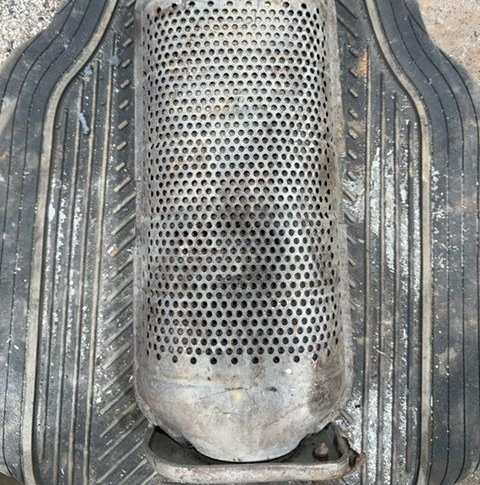
Most people selling a scrap catalytic converter today have no idea what it's actually worth — and that gap costs them real money.
The catalytic converter scrap value on any given day depends on three metals: platinum, palladium, and rhodium. These aren't stable commodities. They swing hard based on global supply chains, automotive production data, mining output, and currency shifts. A converter worth $180 on Monday could fetch a different number entirely by Thursday. If you're selling in Buffalo, New York — or anywhere else in the US — understanding what drives those numbers is the difference between leaving money on the table and walking away with what your cats are actually worth.
This is a market report for November 2, 2026. Use it to orient yourself before you sell.
What Drives Catalytic Converter Scrap Value Today
At its core, catalytic converter scrap value tracks the spot prices of three platinum group metals (PGMs): platinum (Pt), palladium (Pd), and rhodium (Rh). Every cat contains a ceramic or metalite substrate coated with some combination of those metals. The loading varies by vehicle make, model, year, and whether it's an OEM or aftermarket unit. That's why two converters sitting side by side can have wildly different values.
Palladium price today is a major factor for gasoline-engine converters — palladium does the heavy lifting in those catalysts. Rhodium is rarer and dramatically more volatile. A single rhodium price spike can move certain high-value cats significantly. Platinum tends to appear more in diesel applications. When you hear buyers talking about "the market," they mean these three metals, traded in real time on global commodity exchanges.
A few additional factors shape daily prices in 2026:
- EV adoption rates: The ongoing transition to electric vehicles is a long-term headwind for PGM demand from automotive manufacturing — but recycled PGM supply hasn't kept pace with demand from other industrial sectors.
- Mining output disruptions: South Africa produces a dominant share of the world's platinum and rhodium. Any labor action, power grid issue, or regulatory shift there ripples through the market fast.
- Currency movements: Because PGMs are priced in USD on global markets, a stronger dollar can suppress spot prices even when physical demand holds steady.
- Recycling pipeline volume: High converter theft rates over the past several years have pushed aftermarket supply. As law enforcement and tracking measures have improved, supply dynamics have shifted again.
The takeaway: no single factor controls the market. That's why checking current pricing — not last week's pricing — matters every time you go to sell.
OEM vs. Aftermarket: Why Converter Type Changes Everything
Not all scrap catalytic converters are created equal, and the spread between an OEM converter and a cheap aftermarket replacement can be enormous. An OEM (original equipment manufacturer) converter is built to match the exact emissions requirements of the vehicle it came off — which means it carries a higher PGM loading. Aftermarket converters, especially low-cost replacements, often contain far less precious metal to hit a lower retail price point.
For sellers, this distinction is critical. Before you assume you have a high-value cat, understand what you're holding. A few questions worth asking:
- Is this the original converter from the vehicle, or a replacement unit installed at some point?
- What vehicle did it come off? Year, make, model, and engine size all affect PGM content.
- Is there a serial number or part number stamped on the housing? VIN lookup and serial tracking tools can confirm converter identity before you sell.
- Is the substrate intact, or has it rattled apart? A blown substrate means reduced recoverable metal and a lower offer.
Platforms like SMASH Scrap — where verified buyers bid on your metal allow sellers to document their inventory properly — photos, serial numbers, part identification — so buyers are bidding on confirmed information, not guesses. That documentation translates directly to buyer confidence and stronger offers.
If you want to understand the value range of your specific unit before you sell, check current catalytic converter prices using an up-to-date price guide tied to real market data.
What the Daily Fluctuation Means for Sellers in Buffalo
Buffalo, New York sits in a region with active scrap metal infrastructure. There are buyers within driving distance, recycling yards servicing the western New York corridor, and proximity to both US and cross-border markets. That geography gives sellers options — but options only help you if you're using them.
Here's the real risk of selling without checking the market: scrap buyers know the daily numbers. You might not. That information gap is where margin gets captured — not by you. A buyer offering you a flat $100 on a converter when palladium price today is running strong isn't necessarily being dishonest. They're running a business. But you have the right to know what your cat is worth before you agree to anything.
The daily fluctuation also means timing matters — within reason. Holding a converter for weeks hoping for a spike is a speculative play with storage and theft risk attached. But checking the market the morning you plan to sell, getting competitive quotes, and knowing your converter's identity before you walk in the door — that's just good selling practice.
If you're working through Buffalo scrap metal services, make sure the buyer you're dealing with is pricing against today's PGM spot rates, not a stale internal schedule. Ask directly. Any legitimate buyer will tell you.
How to Sell Catalytic Converters in New York Without Guessing
Selling scrap catalytic converters in New York — whether you're an individual with one cat or a shop with a pallet of cores — comes down to the same principle: competition reveals the market. One phone call to one buyer gives you one number. That number may or may not reflect what your material is actually worth today. You have no way to know without comparison.
The old way of selling: call a local yard, take whatever they offer, hope it was fair.
The better way:
- Identify your converters. Photo document each unit. Note any serial numbers, part numbers, or vehicle information.
- Check current market pricing against a reliable guide tied to live PGM data.
- Get multiple bids. Use a platform that puts your inventory in front of vetted buyers simultaneously.
- Compare with context. The highest number isn't always the best offer — payment terms, pickup speed, and documentation requirements all matter.
- Close with paperwork. BOLs, packing lists, and auto-invoicing protect both parties.
SMASH is built around this process. No subscription fees. No guessing. When you get the best catalytic converter price today, you're doing it through competition, not hope.
If you want to go deeper on how pricing works across different converter types, read catalytic converter pricing guides that break down real market dynamics without the fluff.
Red Flags When Selling Catalytic Converters — What to Watch For
The scrap converter market has attracted its share of bad actors over the years. Most buyers are legitimate operations — but knowing what to look for protects you regardless of where you're selling in New York or anywhere else in the US.
Watch out for these patterns:
- Flat-rate offers with no explanation: Any buyer who quotes a single price for all converters without identifying the unit is either pricing defensively or not pricing accurately. Ask how they determined the number.
- No documentation offered: Legitimate buyers provide receipts, packing slips, or some form of transaction record. If a buyer resists paperwork, walk away.
- Pressure to sell immediately: The market fluctuates, but not so fast that you can't take 24 hours to compare bids. Pressure tactics are a signal.
- Buyers who can't explain the spread: If you ask why your Toyota cat is worth more than your Honda cat and the buyer can't give you a coherent answer based on PGM content, they may not be pricing it properly.
- No buyer verification: On any platform or marketplace, unvetted buyers carry risk. SMASH only works with verified buyers — that's a structural protection for sellers, not a marketing line.
Selling scrap metal online has become a viable option precisely because it removes some of these risks. When buyers compete openly in an auction format, the pricing process becomes transparent by design.
The Bottom Line on Catalytic Converter Scrap Value in 2026
The market is more sophisticated than it was five years ago. Buyers have better data. Theft tracking has improved. PGM pricing is more accessible to anyone willing to look it up. The sellers who get the best outcomes in 2026 are the ones who show up prepared — with documented inventory, current market knowledge, and access to more than one buyer.
Buffalo sellers have solid options if they use them. New York's scrap infrastructure is real and active. But the edge doesn't come from geography — it comes from process.
If you're holding catalytic converters right now and you're not sure what they're worth today, that's the first problem to solve. Get proper identification on your units, check where the PGM market is sitting this morning, and put your inventory in front of buyers who are actually competing for it. SMASH makes that process straightforward — no subscription, no lock-in, just competition working the way it should.
Ready to stop guessing? Get the best price for your catalytic converter — get a free quote at best-catalytic-converter-price.com and find out what your cats are actually worth today.
Price disclaimer: Catalytic converter scrap values fluctuate daily based on platinum, palladium, and rhodium spot prices. All pricing references in this article reflect general market context as of November 2, 2026. Always verify current rates before selling.
Frequently Asked Questions
Q: How do I find out the catalytic converter scrap value of my specific converter today?
The most accurate way is to identify your converter by serial number, part number, or vehicle information, then cross-reference against a current price guide tied to live PGM spot prices. Platinum, palladium, and rhodium prices change daily, so a price from last week may not reflect today's market. Getting multiple bids from verified buyers also helps you confirm whether an offer is competitive.
Q: Does palladium price today directly affect what I'll be offered for my catalytic converter?
Yes, for gasoline-engine converters in particular, palladium is the primary driver of value. When palladium spot prices are elevated, high-palladium converters — typically from later-model gas vehicles — command stronger offers. Rhodium, though present in smaller quantities, can move individual converter values significantly when its spot price spikes. Always check where both metals are trading before you sell.
Q: Where can I sell catalytic converters in Buffalo, New York?
Buffalo has local scrap yards and recycling operations that purchase catalytic converters. Beyond local buyers, online platforms like SMASH allow you to put your inventory in front of multiple vetted buyers across the US simultaneously, which creates price competition rather than a single take-it-or-leave-it offer. Comparing both local and online options gives you the clearest picture of your cat's true market value.
Q: Is there a difference between what an OEM and aftermarket catalytic converter is worth for scrap?
Significant difference, yes. OEM converters carry higher PGM loadings by design, which translates to higher scrap value. Cheap aftermarket replacements contain far less precious metal and will return a much lower price. Before selling, confirm whether the converter came off the vehicle originally or was installed as a replacement — that context matters to any serious buyer.
Q: How does selling scrap catalytic converters online compare to going to a local yard?
Local yards offer convenience and immediate payment, but you're typically dealing with one buyer's pricing on any given day. Selling online through a vetted auction platform exposes your inventory to multiple buyers competing against each other, which can help surface the actual market price rather than a single yard's internal margin. The best approach often combines both: know what local buyers are offering, then compare that to what competitive bidding through a platform like SMASH returns.
Stay sharp on scrap metal market movements — follow SMASH on LinkedIn for regular industry updates, PGM price context, and insights from across the North American scrap market.