Rhodium hit record highs. Palladium swung wildly. Platinum quietly climbed. If you've been trying to make sense of what your cats are worth right now, global precious metal markets are the reason prices feel like a moving target — and understanding that connection is the fastest way to stop leaving money on the table.
If you're doing catalytic converter recycling in Phoenix, you're sitting in one of the busiest scrap corridors in the Southwest. Arizona yards move serious volume. But even the best yard operator loses when they don't understand what's driving the price of their converters on any given day. That starts with platinum, palladium, and rhodium — the three metals that make your cats worth anything at all.
Why Precious Metal Prices Are the Real Catalyst Behind Cat Converter Value
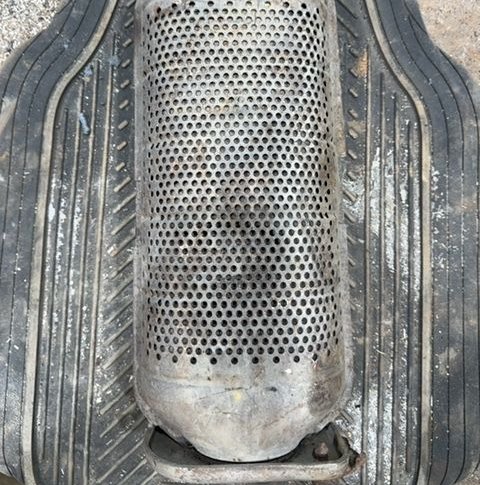
Every scrap catalytic converter contains a ceramic or metallic substrate coated with platinum group metals (PGMs). These are platinum, palladium, and rhodium. They're what reduce harmful emissions in a vehicle's exhaust. They're also what make a used converter worth anywhere from a few dollars to several hundred — depending on the unit and the current commodity market.
PGM prices trade on global commodity exchanges. They respond to mining output in South Africa and Russia (the two dominant producers), industrial demand from automotive manufacturers, investor activity, and macroeconomic signals like inflation and currency movement. A strike at a South African mine, a policy shift on EV adoption, or a spike in auto production in Asia can all move PGM prices within days. That movement flows directly into the scrap catalytic converter market — which means the price you're quoted today could be meaningfully different from what you were quoted last month.
Platinum, Palladium, and Rhodium — What Each One Does to Your Price
Not all PGMs behave the same way, and each one affects your cat converter value differently depending on the type of converter you're selling.
Here's a quick breakdown of how each metal factors in:
- Platinum: Found in diesel converters and many older gasoline units. Platinum has historically been the most stable of the three, though it still moves with broader precious metal sentiment. Diesel converter values are especially sensitive to platinum price swings.
- Palladium: Concentrated in gasoline engine converters, particularly from the 2000s onward. Palladium saw dramatic price volatility in recent years and remains sensitive to shifts in internal combustion engine (ICE) vehicle production. As automakers navigate the EV transition, palladium demand signals have become harder to predict.
- Rhodium: The wildcard. Rhodium is the rarest and most volatile of the three. It can spike dramatically on supply disruptions and crash just as fast. Because rhodium content is a significant value driver in many high-grade cats, even a modest rhodium price move can change your per-unit return noticeably.
If you're selling a load of mixed cats — domestic, foreign, small, large — the average PGM content across that load determines your payout. Knowing what's in your pile before you sell is not optional. It's how you stop guessing and start negotiating from a position of knowledge.
How Global Events in 2026 Are Affecting Catalytic Converter Prices Right Now
In 2026, the PGM market is dealing with a set of overlapping pressures. South African mine production continues to face infrastructure and energy challenges that have constrained platinum and rhodium output. Meanwhile, demand signals from traditional ICE vehicle production remain in flux as global automakers manage mixed EV adoption rates — strong in some markets, slower than projected in others.
The result: catalytic converter prices are not moving in a straight line. Some grades are holding steady. Others are soft. If you're in Phoenix and you sold cats six months ago, the price landscape may look different today. That's not a problem with your buyer — it's a reflection of what's happening in commodity markets thousands of miles away.
This is exactly why selling to a single local buyer on a handshake deal is a risk. One buyer gives you one price — their price. You have no way to know if that price reflects current PGM values or last month's data. Competition changes that equation entirely. Platforms like smashscrap.com bring multiple vetted buyers to your load, which means the price you see reflects actual market demand — not just what one buyer wants to pay.
Sell Catalytic Converters Online — Why Documentation Is Now a Deal-Maker
If you want to sell catalytic converters online and get competitive pricing, documentation is no longer optional. The days of dumping a pile of cats in front of a buyer with no paperwork are behind you — at least if you want top dollar.
Buyers bidding on converter loads remotely need confidence. They need to know what they're buying. That means:
- Photo documentation of each unit or load
- Serial numbers or OEM part numbers where available (this is how a buyer matches your converter to a catalytic converter price list)
- VIN-based identification for high-value OEM converters
- Accurate weight and grade breakdown
- A clean packing list and bill of lading if you're shipping
SMASH is built for exactly this. The platform includes an inventory tool with photo documentation, serial tracking, and VIN lookup — so your load arrives with context, not mystery. Documented inventory gives buyers more confidence, and more confident buyers bid higher. That's not a promise of guaranteed returns. It's just how competitive markets work.
If you're running Phoenix scrap metal services at any volume — auto dismantlers, recycling yards, towing operations — systematizing your documentation process is one of the fastest operational improvements you can make. It pays for itself in better price discovery.
Sell Catalytic Converters in Arizona Without Getting Burned by a Single-Buyer Setup
Arizona has specific regulations around catalytic converter sales — including documentation requirements designed to combat theft and improve traceability. If you're trying to sell catalytic converters in Arizona, you already know that compliance paperwork is part of the process. The good news: the same documentation that satisfies state requirements also makes your load more attractive to buyers.
The old way of selling in Arizona looked like this: call your usual buyer, get a price, load the truck, done. No comparison. No competition. No way to know if you left $500 or $5,000 on the table across a load of mixed cats.
The SMASH way is different. Your load goes to multiple vetted buyers simultaneously. They bid. The market sets the price — not one buyer's margin target. And because SMASH runs on a no-subscription fee model, you're not paying monthly just to access the platform. You only pay when a deal closes. That's the only model that makes sense when you're trying to get the best catalytic converter price today.
Arizona yards of all sizes have started moving toward online auction platforms for exactly this reason. When PGM prices are moving, you need price discovery that moves with them — not a buyer who locked in their margin last quarter.
How to Read the Market and Time Your Converter Sales
You don't need to be a commodities trader to sell smarter. But a few habits will make a real difference in your returns over time.
- Track PGM prices weekly. Platinum, palladium, and rhodium prices are publicly available. Know the direction they're trending before you bring a load to market.
- Grade your inventory before you sell. Don't mix high-value foreign cats with low-value small domestics in a single undifferentiated load. Grade separation lets buyers price accurately — and bid higher on your premium units.
- Use OEM part numbers when you have them. An identified converter is worth more than an unidentified one. Buyers can match it to an OEM converter price reference and bid with confidence.
- Don't hold too long waiting for a price peak. PGM markets are unpredictable. Selling into a competitive auction today beats holding for a price that may never come.
- Compare your quote against the market. If one buyer is offering significantly less than current PGM values suggest, that's information. Use it.
You can read catalytic converter pricing guides on our blog to stay current on PGM trends and what specific grades are trading at. Staying informed is the cheapest edge you have.
When you're ready to sell, the fastest way to stop guessing is to check current catalytic converter prices and put your load in front of real buyers who compete for it. That's the difference between a price and a market price.
Disclaimer: Catalytic converter prices fluctuate with global precious metal markets. Always check current rates before selling. Prices referenced in this article reflect general market dynamics as of October 2026 and are subject to change.
Frequently Asked Questions
Q: Why do catalytic converter prices change so often in Phoenix?
Catalytic converter prices in Phoenix — like anywhere in the U.S. — are tied directly to global platinum, palladium, and rhodium commodity prices. These metals trade daily on international exchanges and respond to mining supply, industrial demand, and macroeconomic conditions. A price you received six weeks ago may be noticeably different from today's market rate.
Q: How do I know if I'm getting a fair price for my scrap catalytic converters in Arizona?
The most reliable way is to get competing offers. A single buyer quote gives you no reference point. Platforms like SMASH put your load in front of multiple vetted buyers simultaneously, so the price reflects actual market competition — not one buyer's margin. Documentation also matters: graded, identified inventory consistently attracts stronger bids than unsorted loads.
Q: Is it legal to sell catalytic converters in Arizona?
Yes, but Arizona has documentation requirements for catalytic converter sales, including proof of ownership and seller identification, designed to combat theft. Make sure your sale is fully documented regardless of where or how you sell. Working with a compliant platform that supports documentation and traceability protects you legally and improves your price discovery.
Q: What makes one catalytic converter worth more than another?
The PGM content — specifically the amounts of platinum, palladium, and rhodium in the substrate. OEM converters from certain makes and models carry higher PGM loads than aftermarket units or small domestics. The condition of the substrate also matters: cracked or damaged catalysts yield less recoverable metal, which lowers the offer price.
Q: Can I sell catalytic converters online from Phoenix?
Yes. Online auction platforms make it practical to sell catalytic converters from Phoenix to vetted buyers across North America without being limited to local buyers. Proper documentation — photos, serial numbers, weights, and packing lists — is essential for remote buyers to bid confidently on your load. SMASH handles the documentation infrastructure so your inventory is ready to go to market.
Global PGM markets set the ceiling on what your cats are worth. Competition determines how close to that ceiling you actually get. If you're in Phoenix and you're selling converters the old way — one call, one price, no competition — you're not working with the market. You're working against yourself. The smarter move is to put your documented load in front of multiple buyers and let the market do its job. Get the best price for your catalytic converter — get a free quote at best-catalytic-converter-price.com and find out what your load is actually worth right now.
Stay current on PGM market moves and scrap converter trends — follow SMASH on LinkedIn for regular industry updates and scrap metal market insights.