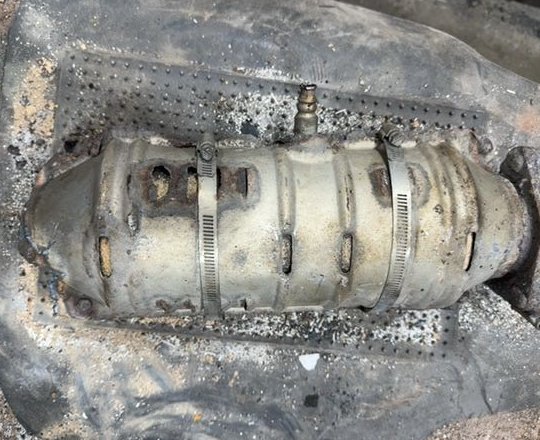
Catalytic Converter Prices Today Are High — And Scammers Know It
Rhodium hit record highs not long ago. Palladium and platinum still command serious money. That makes your scrap catalytic converter worth real cash — and it makes you a target. The cat converter buying market has a scam problem, and it costs sellers hundreds or thousands of dollars every year. If you're trying to get the best catalytic converter prices today, you need to know how the game is rigged before you hand anything over.
This isn't a theoretical warning. Auto shops in Portland, independent collectors across Oregon, and individual sellers everywhere are getting lowballed, ghosted, and straight-up deceived. The tactics are predictable once you know them. Here's what to watch for — and how to protect yourself.
The Most Common Scams Hitting Catalytic Converter Sellers Right Now
Scammers in the cat buying market aren't especially creative. They run the same plays over and over because they work on sellers who don't know the baseline value of what they're holding. Understanding the most common tactics is your first line of defense.
The Low-Ball Flash Offer — A buyer shows up, glances at your cats, and throws out a number. Fast. Confident. It feels like a real offer. It usually isn't. They're counting on you not knowing current PGM (platinum group metals) spot prices. Without a reference point, a $40 offer on a $180 converter sounds reasonable. It isn't.
The Bait-and-Switch Assay — A buyer agrees to a price pending assay, takes your material, and comes back with a lower number after the fact. By then, your inventory is gone. Getting it back is nearly impossible. Legitimate buyers lock in pricing methodology upfront — not after they have your metal.
Fake Serial Number Databases — Some buyers claim to run your serial numbers through a proprietary database and quote you a price based on that. The "database" may be fabricated or deliberately skewed low. Real price discovery comes from competitive bidding, not a single buyer's black box.
Payment Delays and Ghosting — You ship your load. The payment "is processing." Then it's delayed. Then the buyer stops answering. This happens more than you'd think, especially with unvetted online buyers who have no accountability to the seller.
Grade Misclassification — Converters are graded (full, half, foil, aftermarket, bead, etc.), and buyers sometimes misclassify higher-grade units as lower grades. A full converter being logged as a half reduces the payout significantly. Photo documentation and independent grading records protect you here.
Why Portland Sellers Are Particularly Exposed
Portland has a dense network of auto shops, dismantlers, and independent collectors. That's a lot of cats moving through the market — and a lot of opportunity for bad actors to operate. Oregon's scrap metal laws require some level of seller identification and transaction records, but those rules don't guarantee you get a fair price. They just create a paper trail.
The local buyer market in Portland, like most mid-sized metros, has a handful of dominant players who know they're often the only game in town. When you only have one or two serious buyers, competition evaporates. Without competition, price discovery breaks down. You're not finding the market — you're accepting whatever the buyer decides to offer you today.
That dynamic is exactly why sellers across Oregon are increasingly turning to platforms that open their inventory to multiple vetted buyers simultaneously. You can explore Portland scrap metal services built specifically for this kind of competitive pricing — the difference between one offer and five offers on the same load is real money.
How to Verify a Catalytic Converter Buyer Before You Sell
Not every buyer is a scammer. But every legitimate buyer should be able to pass a basic credibility check. Before you hand over anything, run through this list:
- Business registration: Are they a registered business with a verifiable address? A quick state business registry search takes two minutes.
- Physical location: Legitimate buyers have a yard or processing facility. "I'll come to you with cash" is a yellow flag when it comes from someone you can't verify.
- References or reviews: Real yards have a track record. Check Google, BBB, and industry forums. Zero reviews on a buyer claiming to process thousands of units monthly is a red flag.
- Transparent pricing methodology: Can they explain how they price your material? PGM spot price, assay results, grade classifications — these should be discussable, not hidden behind "our proprietary system."
- Payment terms in writing: Any legitimate transaction should have clear payment terms before the material ships or changes hands.
- Vetted platform participation: Buyers operating on verified auction platforms have agreed to terms, have accountability built in, and are competing openly on price. That's a meaningful signal.
If a buyer can't answer basic questions about their process, that's your answer. Move on. There are legitimate buyers in the market — you just need a way to find them efficiently. Check current catalytic converter prices before you accept any offer, so you're walking into every conversation with a baseline.
What Legitimate Price Discovery Actually Looks Like
Here's the thing about catalytic converter prices today: they're not a secret. PGM spot prices are publicly available. Assay data on common makes and models is well-documented across the industry. The converter off a 2019 Honda Accord has a known PGM range. The cats out of a fleet of F-150s don't require a mystery quote — they have a real market value.
The gap between what scammers pay and what the market would actually bear isn't because the information doesn't exist. It's because sellers don't have a structured way to access competitive bids. One buyer, one offer, no competition — that's the old way. It's not price discovery. It's a guessing game where only one party knows the answer.
Real price discovery requires multiple buyers seeing the same inventory and competing for it. When you document your load properly — serial numbers, photos, grade classification, weights — and put it in front of verified buyers simultaneously, you get actual market pricing. That's not a theoretical improvement. It's how every functional commodity market works.
Platforms like SMASH Scrap — where verified buyers bid on your metal exist specifically to replace the single-buyer guessing game with transparent, competitive auctions. The vetting process for buyers matters. An unvetted buyer on a random forum is not the same as a buyer who has agreed to platform terms and is competing publicly on price. SMASH brings that structure to scrap catalytic converter sales, which means the same protection that larger yards have always had is now accessible to shops and collectors who were previously at a significant disadvantage.
Documentation Is Your Best Scam Protection
Every anti-scam measure ultimately comes back to documentation. Sellers who get taken advantage of are almost always sellers who handed over material without a clear paper trail. The fix isn't complicated — it just requires discipline.
Before any converter leaves your possession, record the following:
- Serial number or part number — photograph it clearly. Most cats have a visible stamped or printed serial that can be cross-referenced against known price databases.
- Photos of condition — substrate intact, substrate damaged, shell condition, foil presence. Grade disputes are nearly impossible to win without visual documentation taken before transfer.
- Weight by unit or by lot — get your own weight before the buyer does. Discrepancies in weight are a common way to reduce payout post-handoff.
- Written agreement on pricing methodology — fixed price, spot-based, or post-assay? What assay lab? What deduction schedule? Get this in writing before transfer.
- Payment terms and timeline — net 7, net 15, immediate? In what form? Written, signed, dated.
Documentation doesn't just protect you legally — it makes you a more credible seller. Buyers operating legitimately respond well to organized, documented inventory. Buyers trying to run a scam tend to push back on documentation. That reaction alone tells you something useful.
For deeper guidance on how to approach this process, read catalytic converter pricing guides that walk through documentation best practices, grading standards, and how to interpret PGM spot prices in the context of scrap cat values.
Getting the Best Catalytic Converter Price Means Playing It Smart
Scrap metal buyers in Portland and across Oregon run a professional operation. The good ones do. The bad ones are counting on you not knowing the difference. The gap between a scam payout and a legitimate market price on a load of cats can be significant — and that gap grows with volume.
The best protection isn't suspicion. It's structure. Document everything. Verify your buyer. Understand baseline PGM spot pricing before you accept any offer. And whenever possible, put your inventory in front of multiple qualified buyers rather than accepting the first number you hear.
If you're serious about getting actual market value for your converters, get the best catalytic converter price today by starting with a platform built around competition and transparency. The old way of calling one buyer and hoping for the best is exactly how scammers stay in business. Don't give them the opportunity.
Frequently Asked Questions
Q: How do I know if catalytic converter prices today are fair?
Cross-reference any offer against current PGM (platinum, palladium, rhodium) spot prices, which are publicly available. Your converter's value is directly tied to its PGM content by grade and make/model. If a buyer refuses to explain how they arrived at a number, that's a problem.
Q: Are catalytic converter buyers in Oregon required to keep records?
Oregon scrap metal laws require dealers to maintain transaction records and seller identification for regulated metals, including catalytic converters. This creates a paper trail — but it doesn't guarantee fair pricing. Compliance with state law and paying market value are two separate things.
Q: What's the safest way to sell scrap catalytic converters in Portland?
Document your inventory thoroughly before transfer — photos, serial numbers, weights. Then put your material in front of multiple vetted buyers through a competitive platform rather than relying on a single local offer. Portland sellers who use auction-based platforms remove the single-buyer dynamic that scammers exploit.
Q: What makes a catalytic converter buyer "vetted"?
A vetted buyer has been verified by a platform or industry body — meaning their business registration, payment history, and transaction practices have been reviewed. Platforms like SMASH require buyers to meet eligibility standards before they can participate in auctions, which adds accountability that a random cash buyer simply doesn't have.
Q: Can I sell just a few catalytic converters, or do I need a full load?
Volume requirements vary by buyer and platform. Some buyers require minimum lot sizes, others will work with smaller quantities. The key is understanding the terms upfront. For smaller quantities, documentation still matters — even a single high-grade converter from a diesel truck or luxury vehicle can carry meaningful value if you know what you have.
Prices for scrap catalytic converters fluctuate with PGM spot markets. Always verify current rates before accepting any offer. The information in this article reflects general market conditions as of October 2026.
Stay sharp on scrap metal markets and industry pricing trends — follow SMASH on LinkedIn for regular updates, market insights, and practical guidance for yards and sellers across North America.
```